
"Master the Art of Stir-Frying: A Beginner's Guide"

Sautéing is one of the most adaptable, productive, and delightful cooking strategies. Originating in Chinese cuisine, it has gained worldwide popularity for its ability to create tasty dishes quickly using fresh ingredients. Whether you're a culinary beginner or a seasoned cook looking to expand your repertoire, mastering the art of sautéing can elevate your cooking game. This guide will walk you through the essential tools, techniques, and tips to make your sautéing experience seamless and fulfilling.
What Is Sautéing?
Sautéing is a high-heat cooking technique that involves quickly cooking small, uniform pieces of food in a wok or skillet while stirring constantly. The result is a dish overflowing with flavor, texture, and nutritional value. This method is ideal for creating everything from simple vegetable sides to protein-rich main courses with sauces that coat every ingredient perfectly.
Why Learn Sautéing?
Speed: Sautéing is one of the fastest ways to prepare a meal. Most dishes come together in under 30 minutes, making it perfect for busy weeknights.
Nutrition: High-heat cooking preserves the vibrant colors and nutrients of vegetables.
Versatility: You can use almost any combination of vegetables, proteins, and sauces.
Flavor: The quick cooking process locks in flavors and adds a subtle smokiness, known as "wok hei" in Cantonese cooking.
Essential Tools for Sautéing
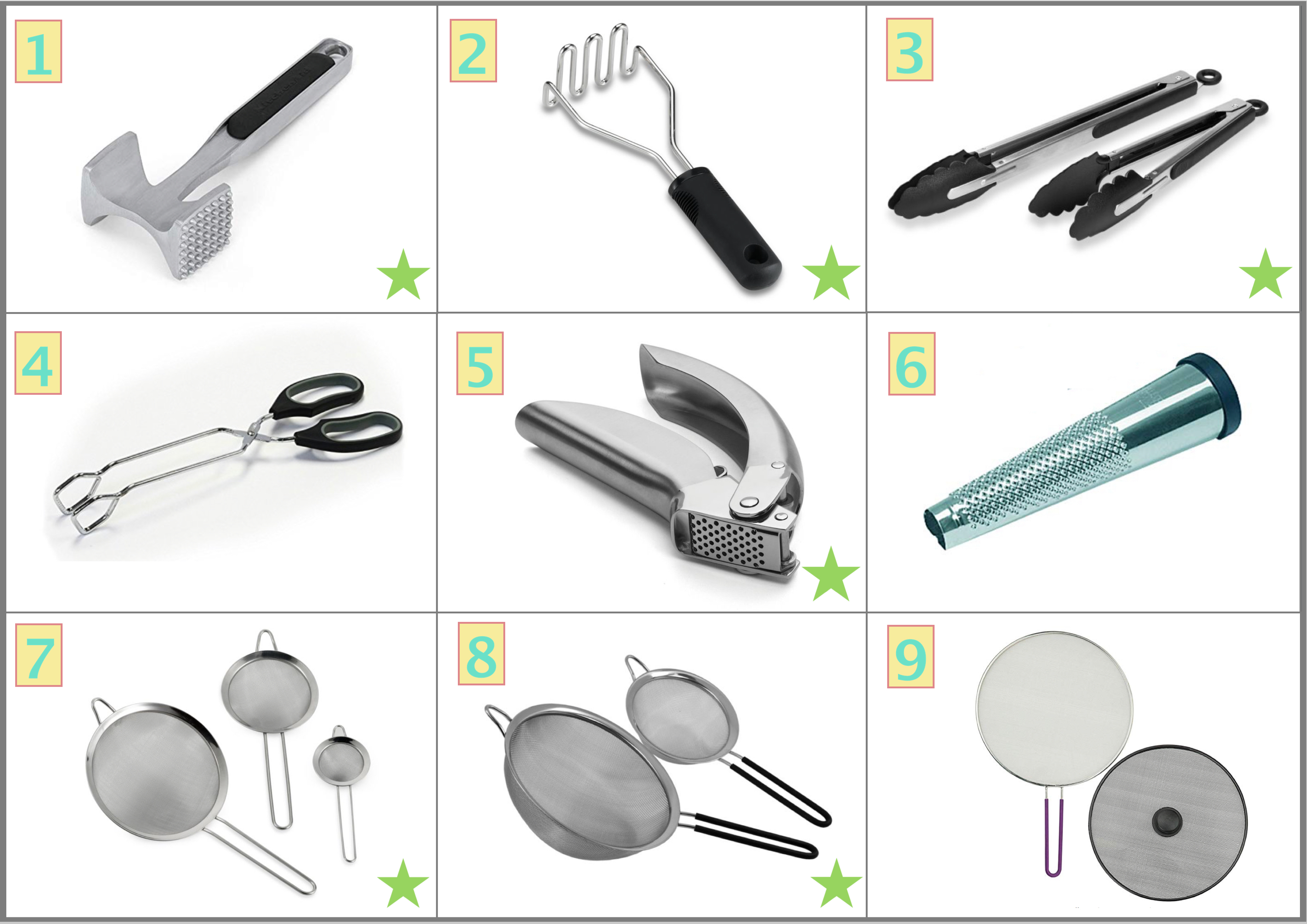
Before diving into the technique, having the right tools is crucial:
Wok: The traditional tool for sautéing, a wok's unique shape allows for even heat distribution and easy tossing. A carbon steel wok is preferred for its ability to develop a nonstick surface over time.
Spatula or Wok Turner: A sturdy, heat-resistant spatula is essential for stirring and tossing ingredients.
Cutting Board and Sharp Knife: Precision cutting ensures even cooking. Invest in a good chef’s knife and a durable cutting board.
High-Heat Oil: Oils like peanut, vegetable, or avocado oil are ideal as they can withstand high temperatures without smoking.
Prep Bowls: Keeping your ingredients organized in separate bowls will streamline the process.
Preparing for Sautéing
Preparation is key to successful sautéing. The actual cooking happens so quickly that there’s no time for chopping or measuring mid-way. Here’s how to prepare:
Cut Ingredients Evenly: Uniform pieces cook evenly, preventing some from overcooking while others remain underdone.
Dry Your Ingredients: Excess moisture can cause ingredients to steam rather than fry. Pat proteins and vegetables dry with paper towels.
Organize Ingredients by Cooking Time: Place ingredients that take longer to cook, like carrots or broccoli, closer to the stove and more delicate items, like leafy greens, further away.
Make Your Sauce: Premix your sauce in a small bowl. Common ingredients include soy sauce, oyster sauce, rice vinegar, sesame oil, and cornstarch for thickening.
Step-by-Step Guide to Sautéing
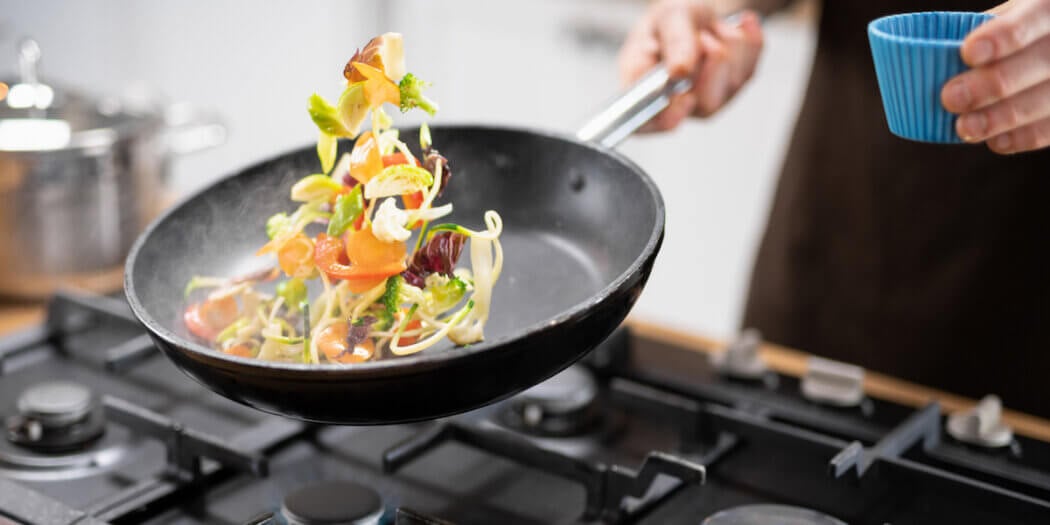
Step 1: Heat the Wok
Begin by heating your wok over high heat until it starts to smoke lightly. This step ensures the wok is hot enough to sear the food and create the signature "wok hei" flavor.
Step 2: Add Oil
Add a small amount of high-heat oil and swirl it around the wok. The oil should shimmer and spread quickly.
Step 3: Cook the Protein
Add your protein, such as chicken, beef, shrimp, or tofu, and spread it out in a single layer. Let it sear without stirring for 30 seconds to develop a golden crust, then sauté until it’s nearly cooked. Remove it from the wok and set it aside.
Step 4: Cook Aromatics
Return the wok to high heat and add more oil if needed. Toss in aromatics like garlic, ginger, and scallions. Stir quickly for 10-15 seconds to release their fragrance.
Step 5: Add Vegetables
Add vegetables in the order of their cooking time. Harder vegetables like carrots and bell peppers go first, followed by softer ones like zucchini or snap peas. Keep stirring and tossing to ensure even cooking.
Step 6: Combine Everything
Return the cooked protein to the wok and stir to combine. Pour in your premixed sauce and toss everything to coat. Let the sauce thicken slightly, which usually takes 1-2 minutes.
Step 7: Finish and Serve
Remove the wok from heat and serve your sauté immediately with steamed rice or noodles.
Common Sautéing Mistakes to Avoid
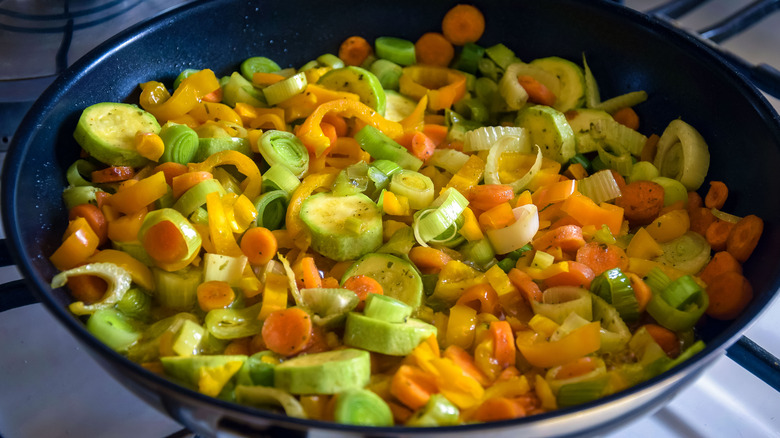
Overcrowding the Wok: Too many ingredients can lower the wok's temperature, resulting in steaming rather than frying. Cook in batches if needed.
Not Preheating the Wok: Starting with a cold wok can lead to sticking and uneven cooking.
Using Low Heat: High heat is essential for achieving the desired texture and flavor.
Skipping the Prep: Having everything ready to go before you start is non-negotiable.
Tips for Perfect Sautéing Every Time
Experiment with Flavors: Mix and match sauces, spices, and ingredients to create unique combinations.
Use Fresh Ingredients: Fresh vegetables and proteins yield the best results.
Practice Tossing: If you’re using a wok, practice the tossing motion to evenly distribute heat and sauce.
Clean Immediately: Clean your wok while it’s still warm to prevent food from sticking.
Sauté Recipe to Try: Classic Chicken and Vegetable Stir-Fry
Ingredients:
1 lb chicken breast, thinly sliced
2 cups mixed vegetables (e.g., broccoli, carrots, bell peppers)
2 tbsp soy sauce
1 tbsp oyster sauce
1 tsp cornstarch
1 tbsp sesame oil
2 tbsp peanut oil
2 garlic cloves, minced
1-inch piece of ginger, grated
Instructions:
Mix soy sauce, oyster sauce, sesame oil, and cornstarch in a small bowl to create the sauce.
Heat the wok over high heat and add peanut oil.
Sauté the chicken until lightly browned, then remove and set aside.
Add garlic and ginger to the wok and sauté for 10 seconds.
Add vegetables and sauté until crisp-tender.
Return the chicken to the wok, pour in the sauce, and toss to coat.
Serve hot with steamed rice or noodles.
Conclusion

Sautéing is a skill worth mastering for its speed, versatility, and flavor-packed results. With the right tools, preparation, and technique, you’ll be able to whip up restaurant-quality dishes in your own kitchen. Whether you're cooking a simple vegetable medley or a complex sauté with a rich sauce, this method opens endless possibilities. So, grab your wok, gather your ingredients, and start sautéing your way to culinary greatness!
0 Comments