
"Mastering the Art of Home Cooking: Tips and Techniques"
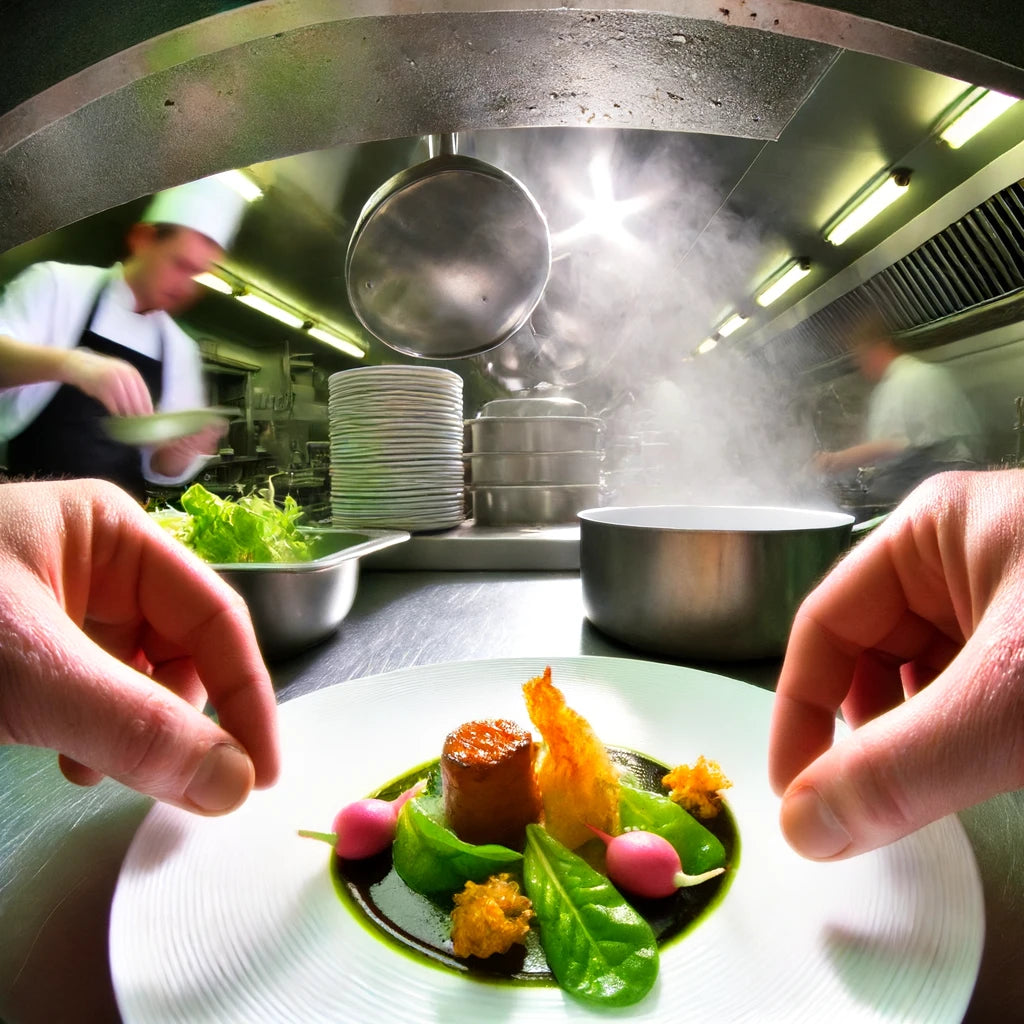
Home cooking is something beyond a way to prepare meals; it is a work of art that blends creativity, skill, and nourishment. Whether you're a seasoned culinary expert or a novice in the kitchen, mastering home cooking is a journey filled with opportunities for discovery and growth. In this article, we'll explore the essential tips and strategies that will elevate your culinary skills and make your time in the kitchen more enjoyable and fulfilling.
Why Home Cooking Matters
Cooking at home offers numerous benefits beyond saving money. It allows you to control the quality of ingredients, tailor dishes to your taste and dietary needs, and foster a sense of accomplishment. Sharing a homemade meal can strengthen relationships and create lasting memories with loved ones. Moreover, cooking is a valuable skill that promotes self-sufficiency and mindfulness.
Essential Tips for Home Cooking Success
1. Start with the Basics
Before diving into complex recipes, it's essential to master foundational cooking techniques. Learn how to:
Chop and Dice: Proper knife skills are vital for efficiency and safety. Invest in a quality chef's knife and practice basic cuts like julienne, dice, and chiffonade.
Sauté: Mastering sautéing helps you cook vegetables and proteins quickly while preserving flavor and texture.
Boil and Simmer: Understanding heat control is crucial for making soups, stews, and pasta dishes.
Roast: Perfectly roasted vegetables and meats require knowing the right oven temperatures and cooking times.
2. Invest in Quality Tools
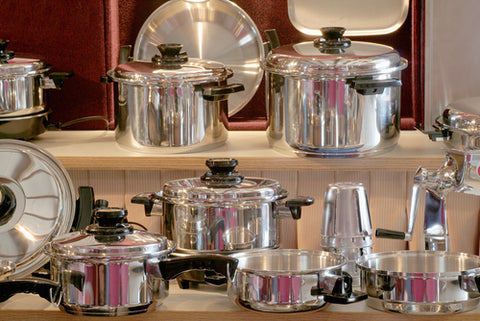
The right kitchen tools can make cooking more efficient and enjoyable. A few essential items include:
A sharp chef’s knife
Cutting boards
Cast iron skillet or nonstick pan
Measuring cups and spoons
Baking sheets
Blender or food processor
Quality tools don’t need to break the bank, but investing in durable and versatile items will save you money in the long run.
3. Plan Ahead
Meal planning is a game-changer for busy home cooks. Take time each week to:
Choose recipes that fit your schedule.
Make a grocery list to avoid impulse purchases.
Prep ingredients in advance to streamline weeknight cooking.
4. Stock Your Pantry
A well-stocked pantry is the backbone of home cooking. Keep essentials on hand, such as:
Grains (rice, pasta, quinoa)
Canned goods (tomatoes, beans, coconut milk)
Spices (paprika, cumin, cinnamon)
Oils and vinegars (olive oil, sesame oil, balsamic vinegar)
Baking staples (flour, sugar, baking powder)
5. Practice Mise en Place
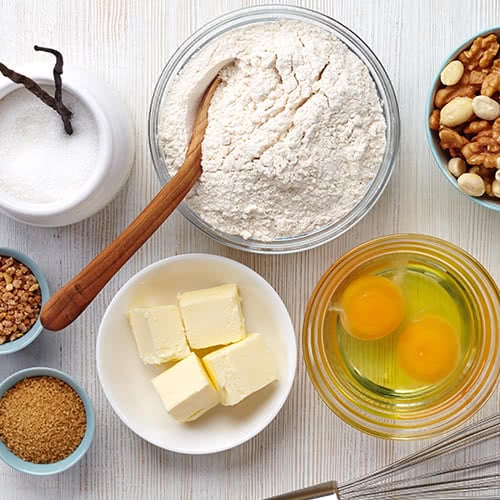
Mise en place, or "everything in its place," is a French cooking principle that involves preparing and organizing ingredients before you start cooking. This technique:
Saves time and reduces stress.
Helps you avoid missing ingredients.
Ensures even cooking and better results.
Techniques to Elevate Your Cooking
1. Master the Five Basic Sauces
The five mother sauces of French cuisine are a cornerstone of cooking. Once you master these, you can create countless variations:
Béchamel: A creamy white sauce used in lasagna and mac ‘n’ cheese.
Velouté: A light stock-based sauce that pairs well with poultry and fish.
Espagnole: A rich brown sauce, the base for demi-glace.
Hollandaise: A buttery sauce perfect for eggs Benedict and asparagus.
Tomato: A versatile sauce for pasta, pizza, and more.
2. Enhance Flavors with Seasoning
Seasoning is an art that transforms ordinary dishes into extraordinary ones. Tips for effective seasoning include:
Use Salt Wisely: Salt enhances natural flavors but can easily overpower. Taste as you go.
Balance Flavors: Combine salty, sweet, sour, and bitter elements for a harmonious dish.
Experiment with Herbs and Spices: Fresh herbs like basil and cilantro add brightness, while spices like cumin and coriander bring depth.
3. Learn Temperature Control
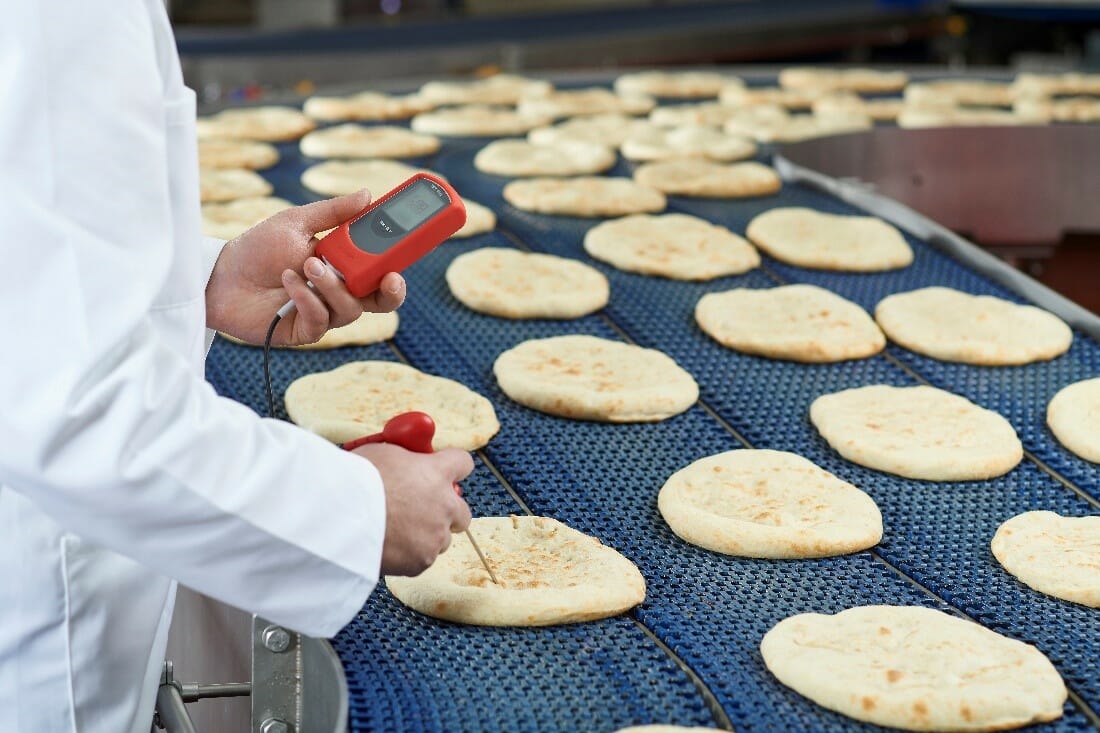
Cooking is a science as much as an art, and temperature control is crucial:
High Heat: Ideal for searing meats and stir-frying vegetables.
Medium Heat: Perfect for sautéing, frying, and simmering sauces.
Low Heat: Best for slow cooking, poaching, and melting ingredients.
4. Develop Knife Skills
Good knife skills improve efficiency and safety. Key tips include:
Use the Right Knife: A chef’s knife is versatile, while a paring knife is ideal for small tasks.
Grip the Knife Properly: Hold the handle with your dominant hand and rest your thumb and forefinger on the blade for control.
Practice Consistency: Even cuts ensure uniform cooking.
5. Understand Food Pairing
Pairing complementary flavors and textures elevates a dish. For example:
Sweet and salty (e.g., prosciutto and melon)
Crunchy and creamy (e.g., croutons on soup)
Acidic and rich (e.g., lemon juice on salmon)
Tips for Overcoming Common Challenges
1. Time Constraints
Use a slow cooker or Instant Pot for hands-free cooking.
Prep ingredients in advance or batch-cook meals for the week.
2. Lack of Inspiration
Explore cookbooks or food blogs.
Experiment with different cuisines or seasonal ingredients.
3. Budget Constraints
Buy in bulk to save money.
Use affordable staples like beans, lentils, and rice.
Repurpose leftovers creatively.
Recipes to Build Confidence
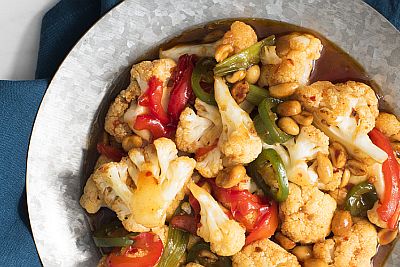
1. Quick Stir-Fry
Ingredients: Chicken or tofu, mixed vegetables, soy sauce, garlic, ginger.
Method: Sauté garlic and ginger, add protein, toss in vegetables, and finish with soy sauce.
2. Simple Pasta Dish
Ingredients: Spaghetti, olive oil, garlic, red pepper flakes, Parmesan cheese.
Method: Cook pasta, sauté garlic in olive oil, toss pasta, and top with cheese.
3. Hearty Soup
Ingredients: Lentils, carrots, celery, onion, vegetable stock, spices.
Method: Sauté vegetables, add lentils and stock, simmer, and season to taste.
The Joy of Experimentation
Cooking is as much about creativity as it is about following recipes. Don’t be afraid to:
Substitute ingredients based on availability.
Adjust seasonings to your taste.
Combine unexpected flavors for unique dishes.
Building Confidence Over Time
Like any skill, cooking improves with practice. Start with simple recipes, celebrate small successes, and challenge yourself with new techniques and cuisines as you grow more confident. Share your creations with loved ones to receive feedback and encouragement.
Conclusion
Excelling at home cooking is a rewarding journey that enriches both your palate and your life. By starting with the basics, investing in quality tools, and embracing creativity, you can transform your kitchen into a haven of culinary exploration. Remember, every dish you create is an opportunity to learn and grow as a home cook. So, put on your apron, grab your knife, and let the adventure begin!
0 Comments