
Smart Kitchen Solutions
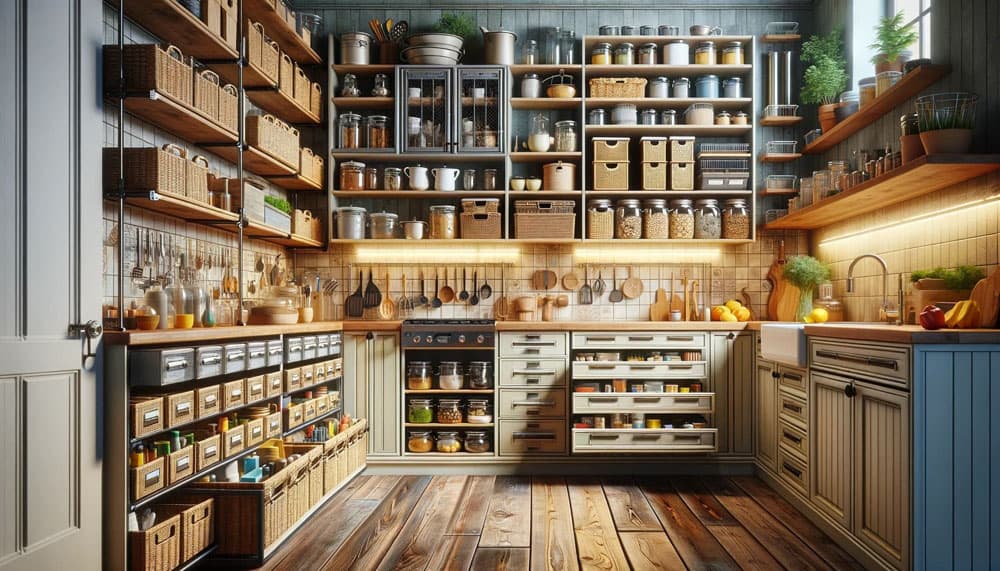
The kitchen, often considered the heart of the home, is where culinary creativity meets functionality. With rapid technological advancements and innovative design trends, the modern kitchen has evolved into more than just a cooking space—it’s now a hub for smart living. By embracing savvy kitchen arrangements, you can transform your cooking space into an efficient, enjoyable, and aesthetically pleasing environment.
The Evolution of the Kitchen
Traditionally, kitchens were designed solely for basic food preparation and storage. Over time, they have become multifunctional spaces for eating, entertaining, and even working. The introduction of smart technology and innovative solutions has revolutionized kitchen design, making it possible to automate tasks, conserve energy, and enhance overall functionality.
The Benefits of Smart Kitchen Solutions
1. Enhanced Efficiency
Smart kitchen solutions streamline everyday tasks, reducing the time and effort required for food preparation and cleaning. For example, smart ovens can preheat themselves based on your schedule, while voice-controlled devices allow hands-free control of appliances.
2. Energy Savings
Many smart appliances are designed with energy efficiency in mind. Features like sensors that detect inactivity and automatically switch off devices help lower utility bills and reduce your carbon footprint.
3. Improved Organization
Innovative storage solutions such as pull-out pantry shelves and modular drawer systems make it easier to keep your kitchen organized and clutter-free. These advancements maximize space and ensure every item has its place.
4. Healthier Living
Smart kitchen gadgets can promote healthier eating habits by assisting with portion control, meal planning, and nutritional tracking. Some devices even provide recipe suggestions based on the ingredients you have on hand.
Key Smart Kitchen Technologies

1. Smart Appliances
Smart appliances form the backbone of any high-tech kitchen. Equipped with internet connectivity, these devices allow remote control and monitoring via smartphone apps. Popular examples include:
Smart Refrigerators: Featuring touchscreens, cameras, and inventory tracking systems, these refrigerators let you view contents remotely and send alerts for expiring food.
Smart Ovens: With Wi-Fi connectivity, these ovens let you adjust cooking settings, receive notifications, and access guided recipes.
Smart Dishwashers: Offering advanced cleaning options, energy-saving modes, and automatic detergent reordering, these dishwashers simplify maintenance.
2. Voice Assistants and Smart Hubs
Voice-activated assistants like Amazon Alexa, Google Assistant, and Apple’s Siri serve as helpful kitchen companions. Integrated with smart devices, they can:
Set timers and reminders.
Provide cooking instructions or measurement conversions.
Control other connected appliances, such as lights and thermostats.
3. Smart Cookware and Gadgets

Innovative cookware and gadgets add precision and convenience to your cooking experience. Examples include:
Smart Thermometers: Monitor food temperature in real-time and send alerts when your dish is ready.
Smart Scales: Assist with accurate measurements and sync with recipe apps for seamless cooking.
Automatic Stirrers: Keep sauces and soups perfectly blended without constant attention.
4. Smart Storage Solutions
Efficient storage is essential for an organized kitchen. Modern storage technologies include:
Pull-Out Racks and Drawers: Maximize cabinet space and improve accessibility.
Rotating Pantry Systems: Ensure easy access to items stored in the back.
Smart Labeling Systems: Use QR codes or NFC tags to track inventory and minimize waste.
5. Connected Lighting
Smart lighting solutions not only enhance the ambiance of your kitchen but also improve visibility for specific tasks. With adjustable brightness and color temperatures, you can:
Create a warm, inviting atmosphere for dining.
Ensure optimal lighting for food preparation and cooking.
Designing a Smart Kitchen
1. Assess Your Needs
Before integrating smart kitchen solutions, consider your cooking habits and lifestyle. Are you looking to save time, improve organization, or enhance the aesthetic appeal of your kitchen? Understanding your priorities will help you choose the right technologies.
2. Plan Your Layout
A well-designed kitchen layout is crucial for functionality. Common layouts include:
L-Shaped: Ideal for maximizing corner space.
U-Shaped: Provides ample countertop and storage space.
Galley: Suitable for narrow kitchens with parallel work areas.
Open Plan: Encourages interaction and integrates the kitchen with living areas.
3. Invest in Quality Appliances
While smart appliances may require a higher upfront investment, they offer long-term benefits in efficiency, convenience, and energy savings. Opt for reputable brands and models with features that align with your needs.
4. Incorporate Modular Solutions
Modular kitchen designs are highly adaptable and allow for easy upgrades. Consider using modular cabinets, countertops, and storage systems to future-proof your kitchen.
5. Focus on Sustainability
Eco-friendly solutions such as energy-efficient appliances and water-saving fixtures contribute to a greener kitchen. Additionally, incorporating recycled or sustainable materials in your kitchen design enhances its environmental appeal.
Maintenance and Upkeep
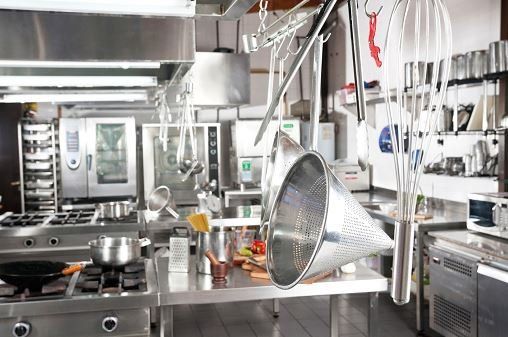
To ensure your smart kitchen remains functional and efficient, regular maintenance is essential:
Update Software: Keep your smart devices and appliances updated with the latest software to enhance security and functionality.
Clean Regularly: Smart appliances often have delicate components that require gentle cleaning to prevent damage.
Monitor Energy Usage: Use apps and reports to track energy consumption and identify areas for improvement.
Challenges and Considerations
1. Cost
Smart kitchen solutions can be expensive, especially when retrofitting an existing kitchen. However, the long-term benefits often outweigh the initial costs.
2. Learning Curve
Adopting new technologies may involve a learning curve. Familiarizing yourself with the features and functionalities of smart devices is crucial to maximizing their potential.
3. Compatibility
Ensure all your smart devices are compatible with each other to create a seamless ecosystem. Opting for devices from the same brand or those that support universal protocols can help.
The Future of Smart Kitchens
As technology continues to advance, the possibilities for smart kitchens are virtually limitless. Emerging trends include:
AI-Powered Appliances: Artificial intelligence will enable machines to learn your habits and preferences, making them even more intuitive.
Robotic Assistants: Robots designed for the kitchen can handle tasks such as chopping, stirring, and even serving meals.
Advanced Sustainability Features: Future innovations will focus on reducing waste, conserving water, and utilizing renewable energy sources.
Conclusion

Transforming your cooking space with smart kitchen solutions is more than a trend—it’s a step toward a more efficient, sustainable, and enjoyable lifestyle. By embracing these innovations, you can create a kitchen that not only meets your culinary needs but also enhances your overall living experience. Whether you’re building a new kitchen or renovating an existing one, the possibilities are endless when it comes to smart kitchen arrangements.
0 Comments