

In today’s fast-paced world, finding the time to unite the family can feel like a challenge. Between work, school, extracurricular activities, and the endless scroll of digital distractions, the art of sitting down to enjoy a meal together often takes a backseat. However, a family feast is more than just food—it’s an opportunity to connect, share stories, and create lasting memories. Preparing simple and delicious meals can make this cherished tradition accessible and enjoyable for everyone involved. Here’s how you can bring your family closer with meals that are easy to prepare and sure to please everyone’s palate.
The Power of Family Feasts
Family meals have long been celebrated as a cornerstone of strong familial relationships. Studies have shown that families who eat together regularly experience a range of benefits, including improved communication, better nutrition, and even increased academic performance in children. Sharing a meal is a chance to slow down, unplug, and focus on what truly matters: one another.
But the challenge often lies in the execution. How do you create meals that cater to different tastes and dietary needs without spending hours in the kitchen? The answer lies in simplicity, versatility, and a touch of creativity.
Strategies for Making Family Dinners Simple and Enjoyable
1. Plan Ahead with a Weekly Menu
Meal planning is a lifesaver when it comes to family cooking. Spend a few minutes each week planning your meals, keeping everyone’s preferences and schedules in mind. Choose recipes that use overlapping ingredients to minimize waste and prep time.
Example Weekly Menu:
- Monday: Spaghetti with marinara sauce and garlic bread
- Tuesday: Taco night with customizable toppings
- Wednesday: One-pot chicken and vegetable stir-fry
- Thursday: Baked salmon with roasted potatoes and broccoli
- Friday: Homemade pizza night
By rotating a few family favorites with new recipes, you can keep things exciting without overwhelming yourself.
2. Get Everyone Involved
Include the whole family in meal preparation. Assign age-appropriate tasks such as chopping vegetables, setting the table, or mixing ingredients. Not only does this lighten your workload, but it also creates a sense of pride and excitement around the meal.
Cooking together is an excellent opportunity to teach kids about nutrition, kitchen safety, and the value of teamwork. Plus, children are more likely to eat what they’ve helped make, making it easier to introduce healthy options.
3. Opt for One-Pot or Sheet Pan Meals
One-pot and sheet pan meals are game-changers for busy families. They require minimal preparation and cleanup while delivering maximum flavor. These meals are also highly customizable, allowing you to include ingredients that cater to everyone’s preferences.
Recipe Idea: Sheet Pan Chicken and Veggies

Ingredients:
- Chicken thighs or drumsticks
- Baby carrots, broccoli florets, and cubed potatoes
- Olive oil, garlic powder, paprika, salt, and pepper
Instructions:
- Preheat your oven to 400°F (200°C).
- Arrange the chicken and vegetables on a sheet pan.
- Drizzle with olive oil and season with spices.
- Bake for 25–30 minutes or until the chicken is fully cooked.
This meal is wholesome, flavorful, and perfect for feeding a crowd with minimal effort.
4. Keep It Customizable
A customizable meal setup ensures everyone gets what they like without added stress. Consider meals like tacos, build-your-own salads, or pasta bars. Lay out the components buffet-style, and let each family member create their plate according to their taste.
Example: Taco Night
Prepare the following toppings:
- Protein: Ground beef, shredded chicken, or black beans
- Veggies: Lettuce, tomatoes, onions, and bell peppers
- Toppings: Cheese, sour cream, guacamole, and salsa
- Sides: Tortilla chips, rice, or refried beans
Not only is this fun, but it also caters to picky eaters while encouraging variety.
5. Embrace Leftovers
Leftovers are a gift to the busy cook. They save time and often taste even better the next day as flavors meld. Double your recipes when cooking family favorites and store extras for lunch or dinner later in the week.
Transforming Leftovers:
- Roast chicken can become chicken salad sandwiches.
- Extra chili can top baked potatoes.
- Leftover pasta can be baked into a cheesy casserole.
By creatively reusing leftovers, you can keep meals fresh and exciting without starting from scratch.
Simple and Flavorful Recipe Ideas for Every Occasion
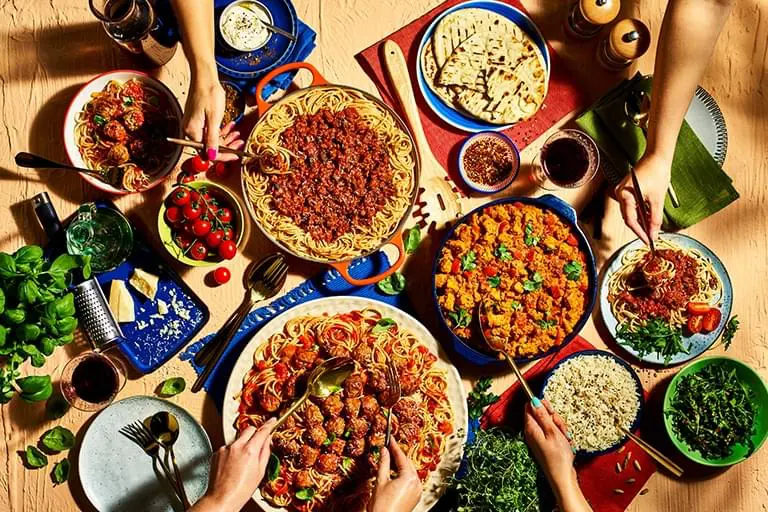
1. Comfort Food: Homemade Mac and Cheese
Ingredients:
- Elbow macaroni
- Butter, flour, milk, and shredded cheese
- Optional add-ins: Broccoli, cooked bacon, or diced ham
Instructions:
- Cook macaroni according to package instructions.
- In a saucepan, melt butter, stir in flour, and slowly add milk to create a smooth sauce.
- Stir in cheese until melted. Mix with macaroni and serve.
This recipe is a hit with kids and adults alike and can be tailored with extra ingredients for variety.
2. Healthy Option: Grilled Veggie Bowls
Ingredients:
- Cooked quinoa or brown rice
- Assorted grilled vegetables (zucchini, eggplant, peppers)
- Hummus or tzatziki for topping
Instructions:
- Grill vegetables with olive oil, salt, and pepper.
- Serve over a bed of quinoa or rice with a dollop of your favorite sauce.
This dish is light, nutritious, and perfect for summer evenings.
3. Sweet Ending: Fruit Parfaits
Ingredients:
- Yogurt (plain or flavored)
- Granola
- Mixed fresh fruits (berries, bananas, mango)
Instructions:
- Layer yogurt, granola, and fruit in individual glasses or bowls.
- Top with a drizzle of honey or a sprinkle of nuts.
This no-cook dessert is as beautiful as it is delicious, making it a great way to end a meal.
Building Traditions Around the Table

Incorporating simple rituals into your family meals can make them even more meaningful. Consider starting each meal with a gratitude round where everyone shares something they’re thankful for. You can also have themed nights like “Italian Night” or “Breakfast for Dinner” to add an element of fun.
To encourage consistency, aim for at least a few dedicated family meals each week. Even if it’s just breakfast or a weekend brunch, the time spent together will foster stronger connections.
Conclusion
Uniting families through simple and delicious meals is about more than just food—it’s about creating moments of joy, connection, and togetherness. By planning ahead, keeping recipes straightforward, and involving everyone in the process, you can make family meals a cherished part of your routine.
So, grab your apron, gather your loved ones, and start building memories one meal at a time. Because at the end of the day, the heart of the home is truly at the dinner table.
0 Comments