
From Prep to Plate: Comprehensive Cooking Tutorials

Cooking is an essential life skill that beautifully blends creativity, science, and love. Whether you're an experienced chef or a novice excited to explore the culinary world, understanding the journey from preparation to plating is pivotal. This article delves into the vital steps, techniques, and insights needed to elevate your cooking skills, turning the process into an enjoyable and rewarding experience.
The Importance of Preparation
Preparation is the foundation of successful cooking. Known as "mise en place" in French, which translates to "everything in its place," it emphasizes the importance of being organized before starting to cook.
Begin by reviewing your recipe and gathering all necessary ingredients. This step saves you from last-minute disruptions and ensures you have everything you need. Measuring and prepping your ingredients is equally critical—chop vegetables, marinate proteins, and portion spices to streamline your process. Additionally, arrange your tools and utensils, such as knives, cutting boards, and pans, to maintain an efficient and clean workspace. Proper preparation allows you to focus on the joy of cooking without unnecessary stress.
Mastering Basic Techniques
Cooking tutorials often emphasize mastering foundational techniques, as these skills serve as building blocks for more complex dishes.
Knife skills, for instance, are crucial for efficiency and safety. Learn to chop, dice, julienne, and mince with precision. Similarly, sautéing is an essential method for quickly cooking ingredients in a small amount of oil, perfect for creating flavorful bases or cooking proteins and vegetables.
Understanding the nuances of boiling and simmering is another fundamental skill. These techniques are vital for preparing grains, pasta, soups, and stews, with precise control over temperature making all the difference. For those interested in baking, mastering measurements, oven temperatures, and ingredient roles is the key to creating flawless pastries and bread.
Flavor Building: The Heart of Cooking
The magic of cooking often lies in how flavors are layered throughout the process.
Seasoning is an art that requires attention at every stage of cooking. Add salt, pepper, and spices gradually to enhance flavors effectively. Deglazing the pan—adding liquid like wine, broth, or water after sautéing—incorporates the flavorful bits stuck to the bottom of the pan into your dish.
Aromatics such as garlic, onions, and herbs create depth when cooked gently to release their oils. Balancing flavors is equally important; aim to harmonize sweet, salty, sour, and spicy elements to create a well-rounded dish. Remember to taste your dish frequently and adjust as needed to perfect the flavor profile.
Cooking with Confidence
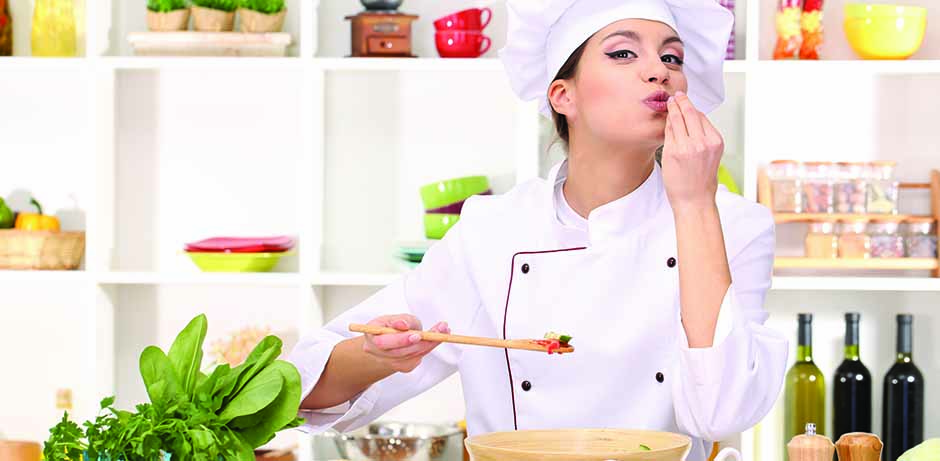
Confidence in the kitchen comes with practice and adaptability. Cooking is as much about technique as it is about creativity and personalization.
Don’t hesitate to experiment and tweak recipes to suit your taste or availability of ingredients. Understanding heat levels is another crucial aspect of confident cooking; knowing when to use low, medium, or high heat prevents overcooking or burning.
Tasting your dish as you go ensures you’re on the right track and helps you make necessary adjustments. Over time, this habit develops your ability to identify what a dish needs to become exceptional.
The Art of Plating
Presentation matters. The way a dish looks can significantly enhance the dining experience.
Start by choosing plates that complement your dish. Neutral-colored plates are versatile and highlight the food's natural beauty. When arranging food, aim for balance in color, texture, and portion size. Keep the presentation neat and avoid overcrowding the plate.
Garnishing adds the finishing touch. Fresh herbs, a drizzle of sauce, or a sprinkle of grated cheese can elevate the dish's appearance and flavor. Finally, wipe the plate's edges for a professional, polished look before serving.
Troubleshooting Common Challenges

Cooking is not without its challenges, but most mishaps are easily fixable with a little know-how.
If you overcook meat, slicing it thinly and pairing it with a flavorful sauce can mask dryness. Over-salted soups or sauces can be salvaged by adding a potato or rice to absorb the excess salt or diluting with water or broth. For burnt food, immediately remove the affected portion to prevent the flavor from spreading, and assess whether the rest is usable or if you need to start fresh.
Leveraging Online Cooking Tutorials
The digital era has revolutionized learning, and cooking is no exception. Online tutorials are a treasure trove for cooks of all levels.
Video demonstrations are particularly helpful, as they allow you to observe techniques in real-time. Interactive classes, often available on platforms like Zoom or specialized cooking websites, enable you to cook alongside professional chefs. Additionally, recipe blogs and mobile apps offer detailed instructions, images, and tips to guide you through the process.
Building Your Culinary Confidence
Cooking is a journey of continuous learning and improvement. Each dish you create, whether a success or a failure, contributes to your growth.
Start with simple recipes and gradually progress to more complex ones. Regular practice is crucial—cooking often helps you build muscle memory and develop your style. Mistakes are part of the process, so embrace them as learning opportunities rather than setbacks.
Sharing your creations with family and friends provides valuable feedback and encouragement, helping you gain confidence in your abilities.
Conclusion
From preparation to plating, the cooking process is as enriching as it is rewarding. Comprehensive cooking tutorials teach you not only how to create delicious meals but also how to enjoy the journey of cooking. By mastering basic techniques, experimenting with flavors, and embracing the art of presentation, you can transform everyday cooking into a delightful and creative experience.
So, grab your apron, gather your ingredients, and take the first step on your culinary journey. With a little practice and passion, you’ll soon be creating dishes that are as beautiful as they are delicious. Bon appétit!
0 Comments