
"How to Cook Beef Perfectly Every Time"

Cooking beef perfectly can seem like a daunting task, especially with so many cuts, cooking methods, and variables to consider. However, with the right strategies and tips, anyone can achieve tender, juicy, and flavorful meat every time. In this comprehensive guide, we'll walk you through everything you need to know about cooking beef, from selecting the right cut to mastering cooking techniques.
Understanding Beef Cuts
The first step to cooking meat perfectly is knowing what cut to choose for your desired dish. Different cuts of meat vary in tenderness, flavor, and cooking time. Here are some common cuts and their ideal cooking methods:
Tender Cuts:
Filet Mignon: Known for its rich tenderness, this cut is best cooked using high-heat strategies like grilling or pan-searing.
Ribeye: Rich and flavorful, ribeye can be grilled, pan-seared, or roasted.
Sirloin: A versatile cut that works well for grilling, roasting, or sautéing.
Tougher Cuts (for Slow Cooking):
Chuck Roast: Ideal for braising or slow cooking to break down connective tissues.
Brisket: Best cooked low and slow for a tender, melt-in-your-mouth texture.
Short Ribs: Ideal for stews and braises, offering rich, deep flavor.
Lean Cuts:
Top Round: Often used for roasting or slicing thin for sandwiches.
Flank Steak: Best marinated and cooked quickly over high heat, then sliced against the grain.
Preparing Your Meat
Proper preparation is crucial to ensure your beef cooks evenly and tastes its best. Follow these steps:
Bring to Room Temperature
Take your meat out of the refrigerator 30 minutes to an hour before cooking. Allowing it to come to room temperature ensures even cooking.
Season Generously
Seasoning is key to bringing out the natural flavors of beef. Use kosher salt and freshly ground black pepper as a base. For additional flavor, you can rub the meat with garlic, herbs, or spices.
Marinate (if necessary)
Tougher cuts like flank steak or skirt steak benefit from marination to tenderize the meat and add flavor. Use a mix of acidic ingredients (like vinegar or citrus juice), oil, and seasonings for the marinade.
Choosing the Right Cooking Method
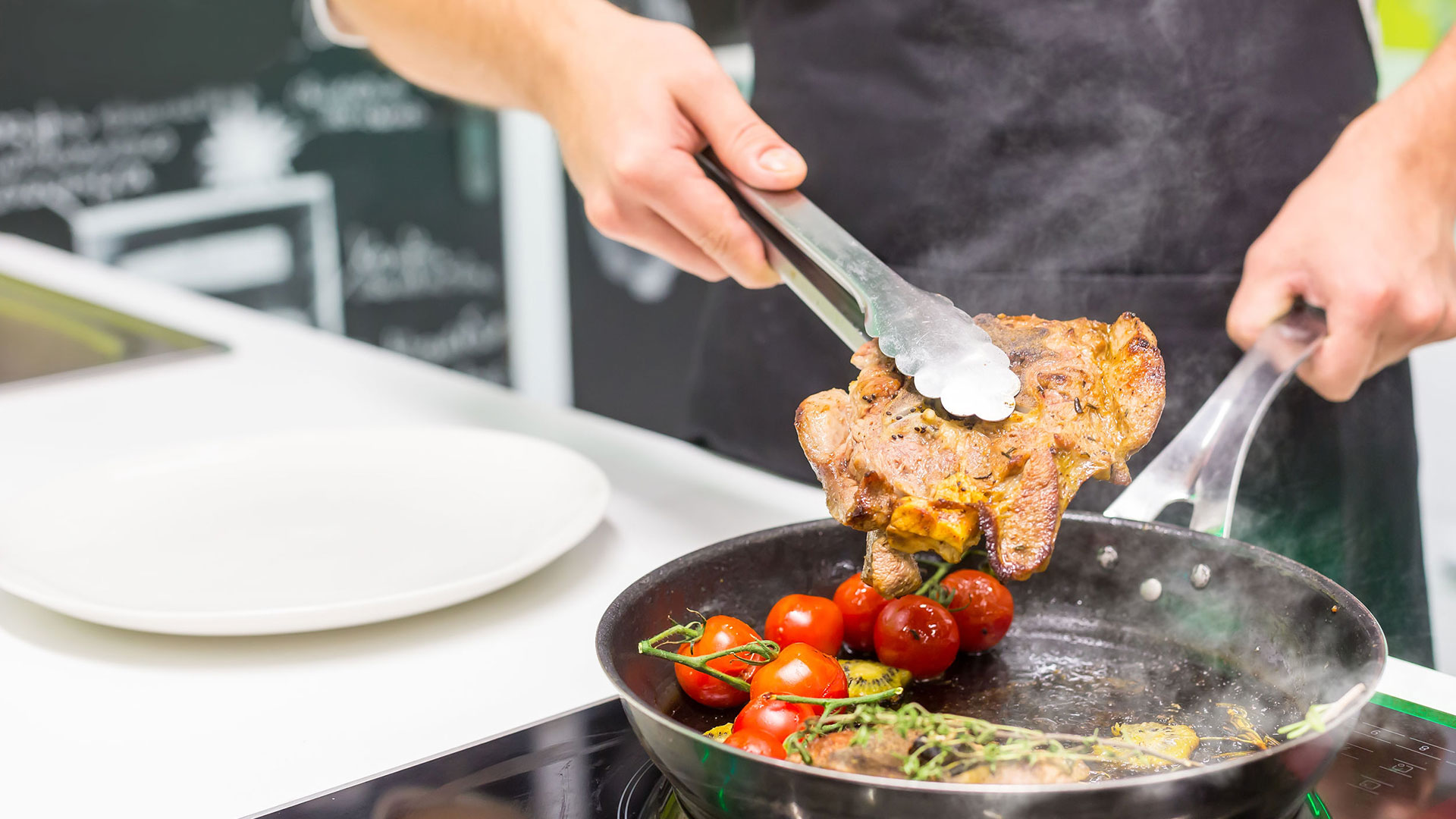
The method you choose depends on the cut of beef and your desired outcome. Here are some popular methods:
Grilling
Grilling is ideal for tender cuts like ribeye, sirloin, and filet mignon.
Preheat the grill to high heat.
Brush the grates with oil to prevent sticking.
Sear the meat on both sides to develop a crust, then reduce heat and cook to your desired doneness.
Use a meat thermometer to check the internal temperature.
Pan-Searing
Pan-searing works well for steaks and small cuts of beef.
Heat a heavy skillet or cast-iron pan over high heat.
Add oil with a high smoke point, like canola or avocado oil.
Sear the beef for 2-3 minutes per side to develop a golden-brown crust.
Finish thicker cuts in the oven at 375°F if necessary.
Roasting
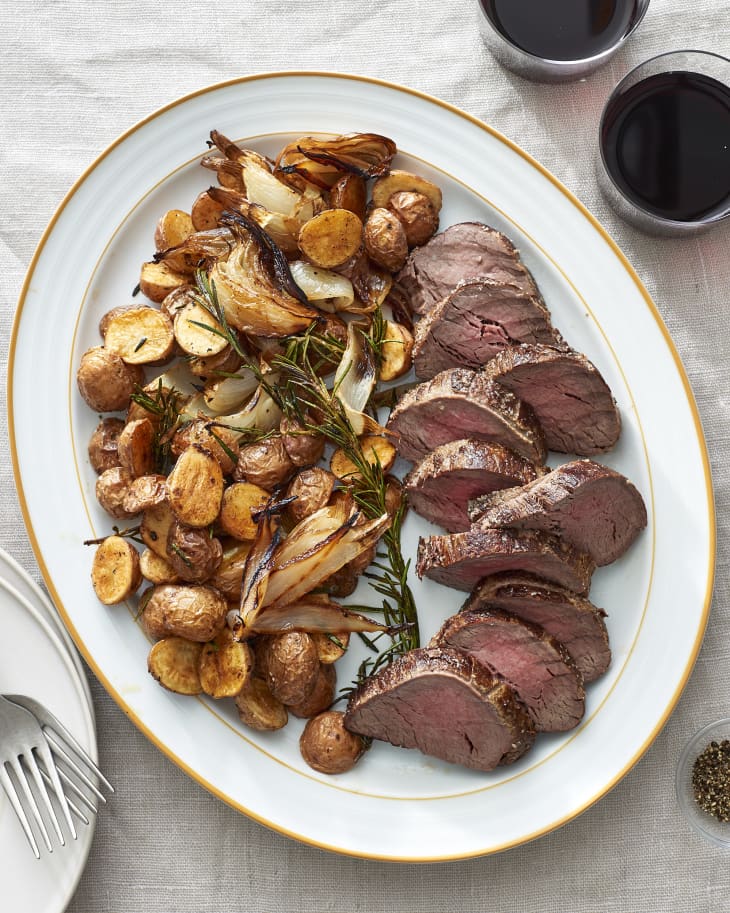
Roasting is best for larger cuts like prime rib, tenderloin, or top round.
Preheat the oven to the recommended temperature (usually 325°F to 375°F).
Place the beef on a roasting rack to allow even airflow.
Use a meat thermometer to monitor the internal temperature.
Slow Cooking
Slow cooking is perfect for tough cuts like chuck roast or brisket.
Place the beef in a slow cooker or Dutch oven.
Add liquid (broth, wine, or water) to keep it moist.
Cook on low heat for 6-8 hours or until fork-tender.
Broiling
Broiling is an excellent option for thinner cuts like flank steak or strip steak.
Preheat the broiler and place the meat on a broiler pan.
Cook close to the heating element for a few minutes per side.
Checking Doneness
:max_bytes(150000):strip_icc()/Simply-Recipes-Steak-Finger-Test-LEAD-H-fbb660f8e2064e3abc98ba72bc3de878.jpg)
To achieve perfect doneness, use a meat thermometer to check the internal temperature of your beef. Here are the recommended temperatures for various levels of doneness:
Rare: 120°F to 125°F
Medium Rare: 130°F to 135°F
Medium: 140°F to 145°F
Medium Well: 150°F to 155°F
Well Done: 160°F or above
Remember that the temperature will continue to rise by 5°F to 10°F after you remove the beef from heat (carryover cooking).
Resting Your Meat
Resting is an often overlooked yet essential step. After cooking, let your meat rest for 5-10 minutes (or up to 20 minutes for larger cuts). This allows the juices to redistribute, ensuring a moist and flavorful result.
Cutting Properly
The way you cut meat can greatly affect its tenderness. Always slice against the grain. This shortens the muscle fibers, making the beef easier to chew.
Tips for Enhancing Flavor
Butter Basting
While pan-searing, add butter, garlic, and herbs to the pan. Baste the beef by spooning the melted butter over it for added flavor.
Deglazing the Pan
After cooking beef, use wine, broth, or water to deglaze the pan and create a flavorful sauce.
Smoked Salt or Rubs
Experiment with smoked salts or spice rubs to elevate the flavor profile.
Common Mistakes to Avoid
Overcrowding the Pan: Crowding prevents proper browning. Cook in batches if needed.
Cooking Straight from the Refrigerator: Always bring meat to room temperature first.
Overcooking: Use a thermometer to avoid overcooking and drying out your beef.
Skipping the Rest: Cutting into beef immediately after cooking causes juices to run out.
Conclusion
Cooking beef perfectly every time is achievable with the right knowledge and techniques. Start by selecting the appropriate cut, season and prepare it well, and choose the best cooking method for your desired outcome. Monitor doneness with a thermometer, allow the beef to rest, and slice it properly for the best results. Whether you're grilling a ribeye or slow-cooking a chuck roast, these tips will ensure your meat is always tender, juicy, and delicious.
0 Comments