
- "How to Turn Your Kitchen into a Bakery: Tips and Tricks"
Baking is one of the most rewarding and relaxing activities you can enjoy at home. The smell of freshly baked bread, the sound of a mixer buzzing to life, and the joy of creating delectable cakes are some of the simple pleasures that can elevate your everyday routine. However, for many home bakers, the dream is to transform their kitchen into a pastry shop—a space that is not only functional and well-equipped but also inspires creativity, joy, and delicious results. Whether you're a beginner or an experienced baker, with the right tools, techniques, and mindset, you can create bakery-quality products right from your home kitchen.
In this article, we will explore the essential tips and tricks for transforming your kitchen into a bakery-like environment. From fundamental tools to creating the perfect baking atmosphere, let's get started on your journey to becoming the ultimate home baker.
1. Organizing Your Kitchen for Effective Baking
One of the most crucial steps in transforming your kitchen into a pastry shop is organizing your space. Professional bakeries thrive on efficient workflows, and you can replicate this by creating a layout that encourages easy access to ingredients, tools, and equipment.
Invest in Storage Solutions
When baking at home, it’s important to have an organized storage system for all your ingredients. Stocking your pantry with the right essentials is a good start, but you should also ensure that you have easy access to them while baking. Consider installing pull-out drawers, airtight containers, and clear jars for flour, sugar, baking soda, and other dry goods. Labeling containers clearly helps avoid confusion during baking.
Dedicate a Baking Area
If you have space, create a dedicated baking area in your kitchen. This can include a designated countertop, a large work surface, or even a rolling cart where you can store baking essentials. A dedicated area will help minimize distractions and give you space to spread out and work.
Keep Your Tools Accessible
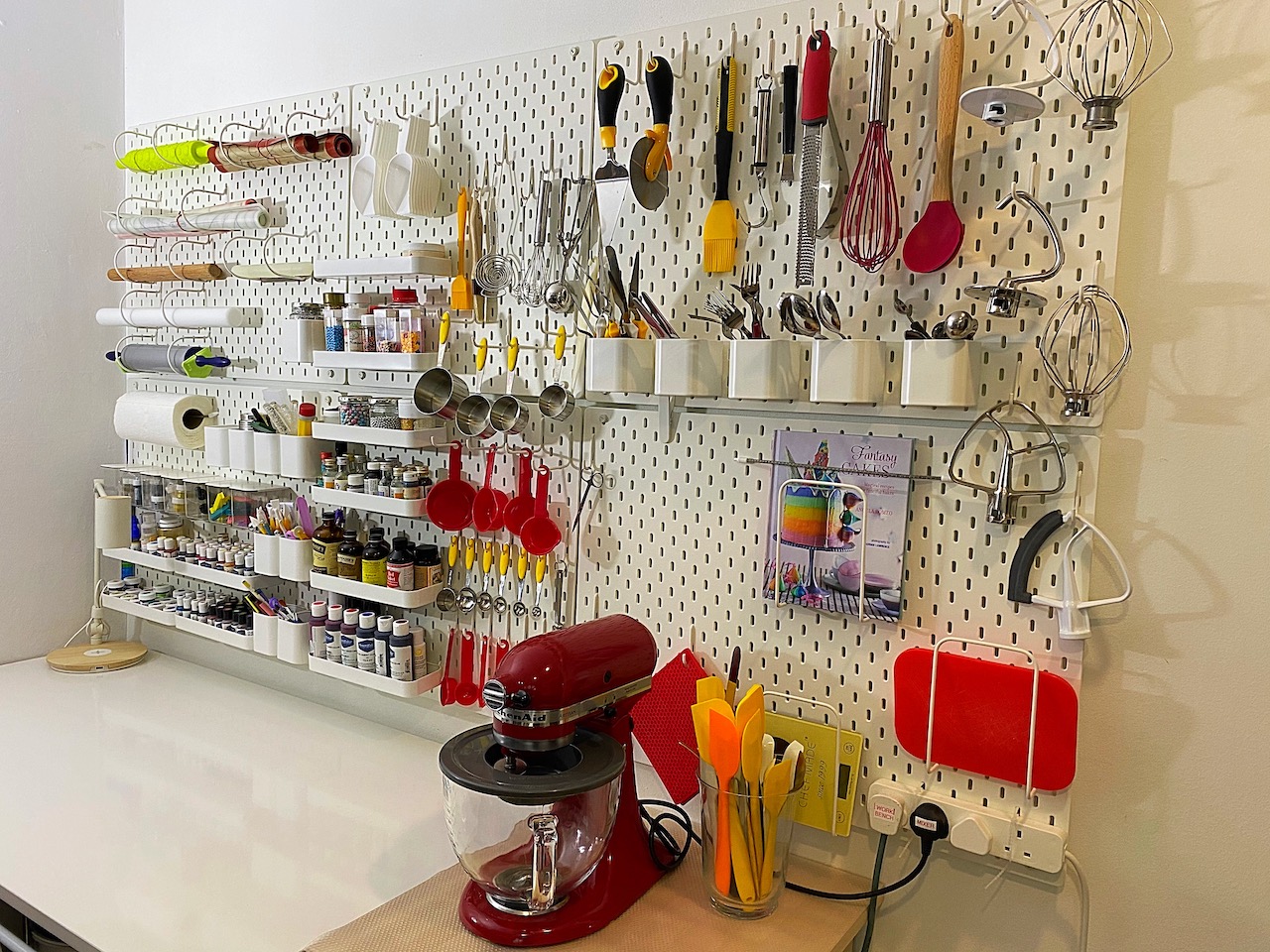
In a bakery, tools like rolling pins, mixing bowls, whisks, and measuring spoons are always within reach. For your home kitchen, consider installing a tool rack or using drawer dividers to keep these tools organized. Hanging measuring spoons, pastry cutters, and even cake pans can save counter space and ensure you're always ready to bake.
2. Equipping Your Kitchen with Professional-Grade Tools
While you don’t need an expert bakery setup, certain tools can make your home baking experience much easier and more enjoyable. Here’s a look at some of the key items to have in your kitchen.
High-Quality Stand Mixer
A stand mixer is a must-have in any pastry shop, and it’s one of the most useful pieces of equipment for home bakers. Stand mixers like the KitchenAid or a similar brand can handle heavy-duty tasks such as kneading dough, whipping egg whites, and mixing batters. The convenience and consistency they provide make them an essential tool for turning your kitchen into a bakery.
Oven Thermometer
Home ovens are notorious for having uneven heating, which can lead to baking disasters. To ensure perfect results, invest in an oven thermometer to check your oven’s true temperature. This will help you avoid under or overcooking your baked goods.
Baking Pans and Sheets

Professional bakeries use a variety of pans and sheets to achieve the perfect crust and texture. In your home kitchen, it’s important to have a solid collection of baking pans, including round cake pans, muffin tins, loaf pans, and cookie sheets. Consider investing in high-quality, non-stick pans or those made of heavy-gauge aluminum, which ensures even heat distribution.
Silicone Baking Mats
Silicone baking mats can be a game-changer when it comes to non-stick baking. These mats are reusable and provide an excellent alternative to parchment paper, which can be costly in the long run. They also help distribute heat evenly and prevent sticking, making cleanup easier.
Pastry Tools
To give your creations that professional bakery look, you'll need some specialty tools like a pastry brush, pastry blender, and rolling pin. A dough scraper is another essential tool for working with sticky doughs, while a bench scraper is perfect for cutting and shaping your baked goods.
3. Mastering Baking Techniques
Baking is both a science and an art, and one of the keys to making bakery-quality treats at home is mastering the techniques that professionals use.
Learn the Science Behind Baking
Understanding the science behind baking is crucial for achieving perfect results every time. For example, yeast-based recipes like bread require careful attention to temperature and proofing times, while cakes rely on the right balance of wet and dry ingredients. Learning how different ingredients interact—whether it’s how baking soda reacts with acidic ingredients or how the type of flour affects texture—can elevate your baking.
Practice Consistent Measuring
Accuracy is key in baking. Professional bakers use kitchen scales to measure ingredients by weight rather than volume. Investing in a high-quality kitchen scale will help you measure flour, sugar, butter, and other ingredients more accurately, ensuring the right proportions and texture.
Develop Kneading Skills
Kneading dough by hand is an essential skill that home bakers can learn to make bread, pizza dough, and other pastries. The key is to use the "fold and press" technique, where you fold the dough over and press it down with the heel of your hand. This technique helps develop gluten and gives your dough the right texture.
Master Temperature Control
Professional bakeries have precise control over their oven temperatures, and so should you. Most bakers recommend using an oven thermometer to ensure that your oven is at the correct temperature before baking. Temperature control also applies to ingredients—such as using room-temperature butter and eggs in cake batters to avoid a dense result.
4. Creating the Right Atmosphere for Baking

The atmosphere in a bakery plays a significant role in its success. The scent of freshly baked goods and the calm, welcoming environment make customers feel at ease. You can replicate this atmosphere in your kitchen with a few simple changes.
Use Natural Lighting
Natural light makes a huge difference in the overall ambiance of your kitchen. If possible, try to set up your baking station near a window to take advantage of the sunlight. Not only will it make your kitchen feel brighter, but natural light can also make your food photography look stunning if you like sharing your creations.
Play Some Music
A fun playlist or soft background music can create a more relaxed and enjoyable atmosphere while you bake. Many bakers find that music helps them get into a rhythm while working, whether they’re mixing, kneading, or waiting for their dough to rise.
Maintain a Clean Workspace
Bakeries are all about hygiene and cleanliness, and so is your home kitchen. Regularly wipe down counters, clean mixing bowls, and ensure your oven is free of spills. A tidy, organized workspace will help you focus and make the baking process more enjoyable.
5. Perfecting Recipes and Experimenting with New Ideas
To truly create a bakery experience at home, you need to constantly experiment and improve your skills. One of the most exciting aspects of baking is the endless possibilities of recipes you can try.
Focus on Signature Recipes
Every bakery has a few signature items that customers adore. Think about what you want to be known for in your home bakery, whether it’s perfect chocolate chip cookies, rich brownies, or fluffy homemade bread. By perfecting these recipes, you’ll build your reputation as a skilled home baker.
Experiment with Flavors and Styles
Don’t be afraid to get creative with your baking. Add your own twist to traditional recipes by experimenting with different flavors, fillings, and toppings. Incorporating seasonal ingredients and flavors will also help keep your bakes exciting and fresh.
Pay Attention to Presentation

In a bakery, presentation is everything. Whether it’s decorating cupcakes with colorful icing or arranging cookies in a beautiful basket, the visual appeal of your baked goods is just as important as the taste. Consider using garnishes like fresh fruit, powdered sugar, or chocolate drizzles to enhance the look of your creations.
Conclusion
Turning your kitchen into a pastry shop is all about creating the right environment, investing in the right tools, and mastering the techniques that elevate your baking skills. With the tips and tricks shared in this article, you can transform your home kitchen into a space that inspires creativity, produces professional-quality results, and fills your home with the delightful smells of freshly baked treats. Happy baking!
0 Comments