
"The Art of Roasting Vegetables: A Flavorful Guide"

Broiling vegetables is more than just a cooking method; it's an art form that transforms simple ingredients into rich, delightful dishes. Whether you're preparing a quick weeknight meal or hosting an elegant dinner party, broiled vegetables can serve as the star of the table or a delectable side dish. In this guide, we'll explore the secrets to achieving perfectly simmered vegetables, from selecting the right produce to mastering seasoning and cooking techniques.
Why Cook Vegetables?
Simmering vegetables draws out their natural sweetness, enhances their flavor, and adds a delightful caramelized texture. The high heat of the oven causes the sugars in vegetables to caramelize, creating a deep, complex taste that other cooking methods often can't achieve. Broiling is also incredibly versatile; you can mix and match vegetables, experiment with flavors, and adjust the cooking time to suit your preferences.
Choosing the Right Vegetables
While almost any vegetable can be broiled, some work particularly well due to their structure and flavor profile. Here are some popular choices:
Root Vegetables: Carrots, parsnips, sweet potatoes, and beets are ideal for simmering. Their natural sugars caramelize beautifully, resulting in a sweet and savory dish.
Cruciferous Vegetables: Broccoli, cauliflower, and Brussels sprouts develop a nutty flavor and crisp edges when broiled.
Squash and Gourds: Butternut squash, acorn squash, and zucchini soften and develop a rich, creamy texture.
Alliums: Onions, garlic, and shallots become sweet and aromatic when broiled.
Peppers and Tomatoes: These vegetables become tender, juicy, and intensely flavorful, making them perfect for sauces or toppings.
When choosing vegetables, opt for fresh, firm produce. Uniformly sized pieces ensure even cooking.
Preparing Your Vegetables
Proper preparation is key to broiling success. Follow these steps:
Wash and Dry: Thoroughly wash your vegetables to remove dirt or debris. Dry them well, as excess moisture can prevent proper caramelization.
Cut Evenly: Chop your vegetables into uniform pieces to ensure they cook evenly. Larger parts will take longer to broil, while smaller ones will cook more quickly.
Peel When Necessary: Some vegetables, like carrots and potatoes, may need peeling, but leaving the skin on can add texture and nutrients.
The Role of Oil and Seasoning
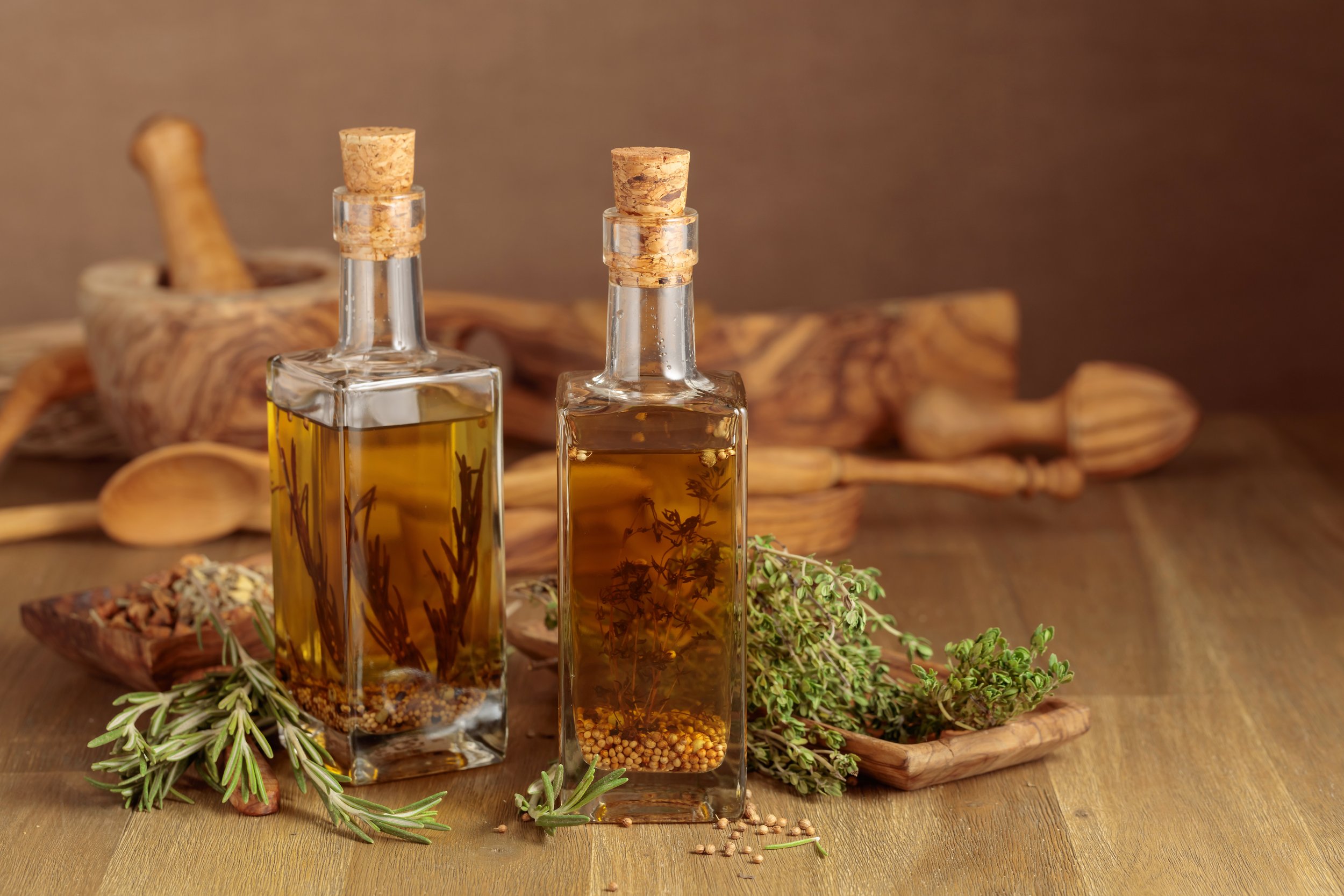
Oil and seasoning are essential for simmered vegetables. They enhance flavor and help create the perfect texture.
Choosing the Right Oil: Olive oil is a popular choice due to its flavor and high smoke point. Other good options include avocado oil, grapeseed oil, and coconut oil.
Season Generously: Salt and pepper are a must, but don't stop there. Experiment with spices like paprika, cumin, or garlic powder. Fresh herbs like rosemary, thyme, and parsley can add a burst of flavor.
Coat Evenly: Toss your vegetables in oil and seasoning to ensure every piece is well-coated. This not only enhances flavor but also prevents sticking.
Mastering the Simmering Technique
The technique you use can make or break your broiled vegetables. Here’s how to achieve perfection:
Preheat the Oven: Always preheat your oven to ensure consistent cooking. A temperature of 400°F to 450°F is ideal for cooking.
Use the Right Pan: A large, rimmed baking sheet works best. Avoid overcrowding; vegetables need space to broil, not steam. Use two pans if necessary.
Arrange Evenly: Spread your vegetables in a single layer. Overlapping pieces won't brown properly.
Flip Halfway: Turn your vegetables midway through cooking to ensure even caramelization.
Check for Doneness: Simmering times vary depending on the vegetable and size of the pieces. Check for a golden-brown color and tender texture.
Pairing Cooked Vegetables with Flavors
Cooked vegetables are incredibly versatile and can be paired with a variety of flavors to suit any cuisine. Here are some ideas:
Mediterranean: Toss with olive oil, garlic, rosemary, and a squeeze of lemon.
Asian-Inspired: Use sesame oil, soy sauce, and a sprinkle of sesame seeds.
Mexican: Add chili powder, cumin, and a drizzle of lime juice.
Sweet and Savory: Combine honey or maple syrup with a pinch of cayenne for a sweet-heat combo.
Herbaceous: Finish with fresh herbs like parsley, dill, or cilantro for a vibrant touch.
Creative Uses for Cooked Vegetables
Once you've mastered the basics, cooked vegetables can be used in countless ways:
As a Side Dish: Serve alongside grilled chicken, steak, or fish.
In Salads: Toss broiled vegetables with greens, nuts, and a tangy vinaigrette.
In Grain Bowls: Pair with quinoa, rice, or farro for a hearty meal.
In Soups: Blend cooked vegetables into a creamy soup or use them as a garnish.
On Pizza: Add simmered vegetables to your favorite pizza for a gourmet touch.
In Sandwiches: Layer cooked vegetables on crusty bread with hummus or cheese.
Troubleshooting Common Issues

Broiling vegetables is straightforward, but issues can arise. Here’s how to address them:
Soggy Vegetables: Overcrowding the pan can lead to steaming instead of broiling. Use a larger pan or broil in batches.
Burned Pieces: Uneven cutting or too high of a temperature can cause burning. Cut pieces evenly and monitor the cooking process.
Underseasoned Vegetables: Don’t be afraid to use plenty of salt, spices, and herbs.
Sticking to the Pan: Use parchment paper or a non-stick baking sheet to prevent sticking.
Experimenting with Cooking
Cooking vegetables offers endless opportunities for creativity. Try these ideas to mix things up:
Add a Glaze: Brush vegetables with balsamic vinegar or a honey-soy mixture during the last 10 minutes of simmering.
Incorporate Cheese: Sprinkle parmesan or feta over cooked vegetables for a savory boost.
Mix in Nuts and Seeds: Add toasted almonds, walnuts, or pumpkin seeds for crunch and flavor.
Try New Vegetables: Don’t limit yourself to the classics; experiment with fennel, radishes, or kohlrabi.
Conclusion
Simmering vegetables is a simple yet transformative cooking method that brings out the best in your ingredients. By understanding the fundamentals—choosing the right vegetables, mastering preparation, and experimenting with flavors—you can create dishes that are not only nutritious but also bursting with flavor. Whether you're a novice cook or a seasoned chef, simmering vegetables is a skill worth mastering. So preheat your oven, grab your favorite produce, and let the craft of simmering elevate your cooking.
0 Comments