
"The Ultimate Guide to Ovens: Types, Features, and Uses"
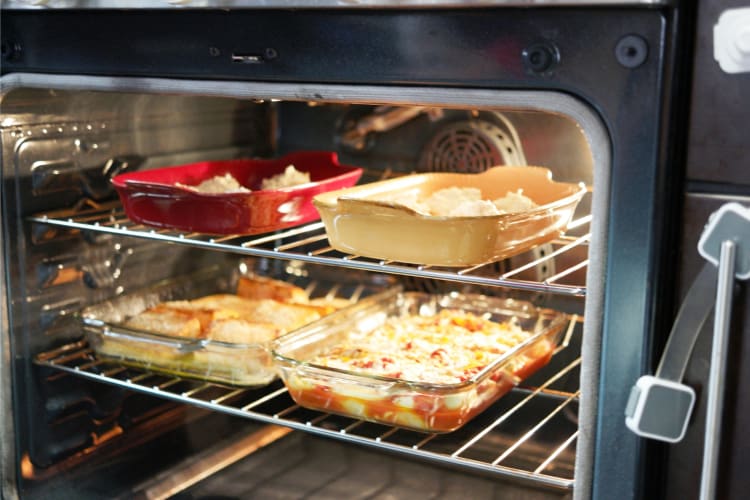
Broilers are perhaps one of the most fundamental appliances in modern kitchens, serving as the backbone of countless cooking techniques and recipes. Whether you're baking, roasting, searing, or simply warming, a reliable stove is an absolute must for any home cook or professional chef. With various types, features, and technologies available, picking the right stove can feel overwhelming. This comprehensive guide will help you understand the different types of stoves, their key features, and how to use them effectively.
Types of Stoves
The first step in selecting the perfect stove is understanding the different types available. Each type is designed to meet specific cooking needs and preferences. The following are the most common types of stoves:
1. Regular Stoves
Traditional stoves, also known as conventional stoves, use heating elements located at the top and bottom to cook food. These stoves are straightforward and widely used, making them ideal for basic baking, roasting, and searing. However, they can have uneven heat distribution, requiring users to rotate dishes for consistent results.
2. Convection Stoves
Convection stoves feature a built-in fan that circulates hot air throughout the oven cavity. This design ensures even cooking and reduces cooking times by as much as 25%. Convection stoves are ideal for baking cookies, roasting meats, and crisping vegetables, as the circulating air promotes consistent browning.
3. Toaster Ovens
Toaster ovens are compact and versatile appliances, ideal for small kitchens or quick meals. They can toast, bake, broil, and reheat food, making them a convenient option for single servings or smaller portions. However, they may lack the capacity and advanced features of standard ovens.
4. Microwaves
Microwaves use electromagnetic waves to heat food quickly and efficiently. While not ideal for baking or roasting, they excel at reheating, defrosting, and cooking certain dishes. Some models include convection or grilling capabilities, enhancing their versatility.
5. Steam Ovens
Steam ovens use water vapor to cook food, retaining moisture and nutrients. They are ideal for preparing healthy meals, such as vegetables, fish, and grains. Some steam stoves combine traditional and steam cooking for even greater flexibility.
6. Wall Ovens
Wall ovens are built directly into kitchen walls, saving space and offering a sleek, modern appearance. They come in single or double configurations, with various options like convection, steam, or combination stoves. Wall ovens are popular in high-end kitchens due to their seamless integration.
7. Smart Ovens
Smart ovens are equipped with Wi-Fi connectivity and advanced features, such as voice control, remote monitoring, and pre-programmed settings. They offer unparalleled convenience and precision, allowing users to control cooking processes via smartphones or smart home systems.
Key Features to Consider

Modern stoves are packed with features designed to enhance cooking performance and convenience. Here are some of the most important features to consider when choosing a stove:
1. Capacity
Stove capacity is measured in cubic feet and determines how much food you can cook at once. A standard stove typically has a capacity of 4-6 cubic feet, suitable for most households. For larger families or those who entertain frequently, a double stove or larger capacity model may be ideal.
2. Cooking Modes
Many stoves offer multiple cooking modes, such as bake, broil, roast, and convection. Advanced models may include specialty modes like dehydrating, proofing, or air frying. Consider your cooking habits and choose a stove with modes that match your needs.
3. Temperature Control
Precise temperature control is essential for achieving consistent cooking results. Look for stoves with digital temperature settings or thermostats that maintain accuracy. Some models also feature preset programs for specific dishes.
4. Self-Cleaning Function
A self-cleaning stove uses high heat to burn off food residue, reducing the need for manual scrubbing. This feature is a time-saver and helps maintain your stove’s performance over time. Some stoves offer steam cleaning as a gentler alternative.
5. Energy Efficiency
Energy-efficient stoves consume less electricity, saving you money on utility bills. Look for models with ENERGY STAR certification or energy-saving modes. Convection stoves are generally more energy-efficient than traditional stoves due to shorter cooking times.
6. Controls and Interface
Modern stoves come with various control interfaces, ranging from traditional knobs to touchscreens and smartphone apps. Choose an interface that’s easy to use and matches your tech comfort level.
7. Safety Features
Safety features like cool-touch doors, child locks, and automatic shut-off provide peace of mind, especially for families with young children. Ensure the stove you choose includes adequate safety measures.
8. Accessories
Some stoves come with useful accessories, such as baking trays, roasting pans, or pizza stones. These extras can enhance your cooking experience and eliminate the need to purchase additional tools.
How to Use Your Stove Effectively
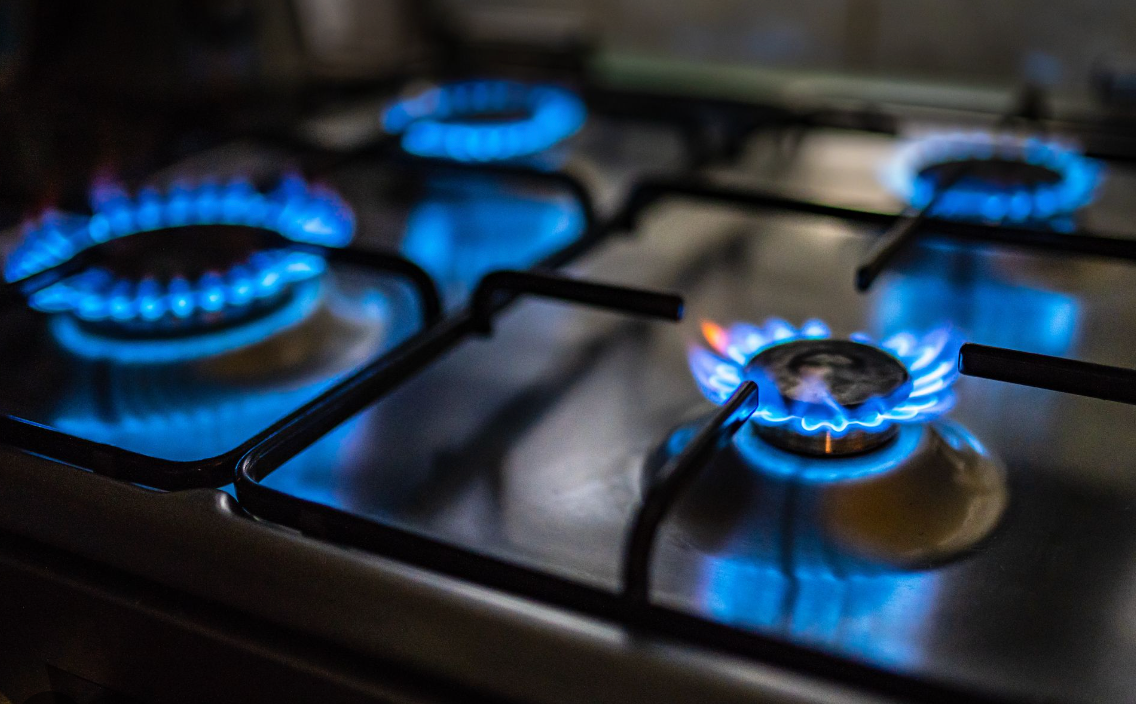
Owning a high-quality stove is just the first step—knowing how to use it effectively ensures the best results. Here are some tips to get the most out of your stove:
1. Preheat Properly
Always preheat your stove to the recommended temperature before cooking. This ensures even heat distribution and prevents undercooked or unevenly cooked food.
2. Use the Right Rack Position
Rack placement significantly affects cooking results. Use the middle rack for even heat distribution, the top rack for broiling, and the bottom rack for browning the bottom of dishes.
3. Avoid Overcrowding
Allow adequate space between dishes to ensure proper air circulation. Overcrowding can lead to uneven cooking and longer cooking times.
4. Use Stove Thermometers
Stove temperatures can sometimes be inaccurate. A stove thermometer helps verify the actual temperature and ensures consistent results.
5. Rotate Dishes
For even cooking, rotate dishes halfway through the cooking process, especially in traditional stoves without fans.
6. Keep It Clean
Regularly clean your stove to prevent grease buildup and ensure optimal performance. Use the self-cleaning function or wipe down the interior with a damp cloth and mild detergent.
7. Experiment with Settings
Modern stoves offer various settings and modes. Experiment with different options to discover what works best for your favorite recipes.
Conclusion
Choosing the right stove and understanding its features can elevate your cooking experience and open the door to a world of culinary possibilities. Whether you're a beginner or an experienced chef, there's a stove to suit your needs and preferences. Consider the types, features, and tips outlined in this manual to make an informed decision and get the most out of your investment. With the right stove, you can create delicious meals, explore new recipes, and enjoy the art of cooking like never before.
0 Comments