
Food Waste and Spoilage: Impact, Prevention, and Solutions
Introduction
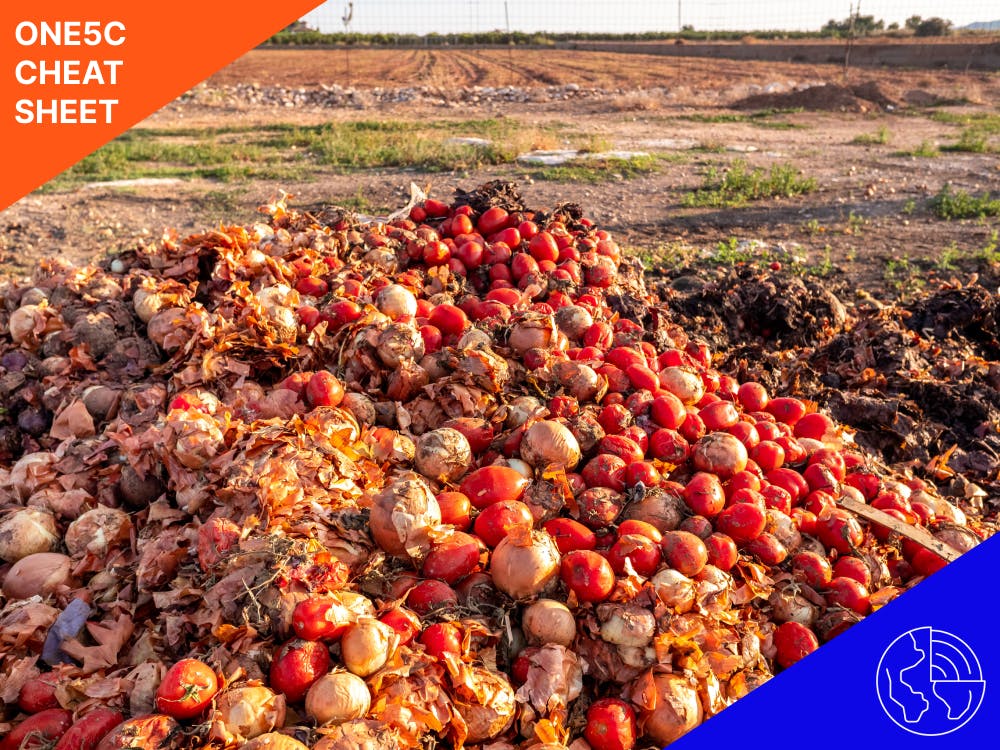
Food waste and decay are worldwide concerns that impact economies, societies, and the environment. According to the Food and Agriculture Organization (FAO), around one-third of all food produced globally is wasted, amounting to nearly 1.3 billion tons annually. This wastage occurs due to various factors, including deterioration, overproduction, poor storage conditions, and consumer behavior. While food decay refers to the breakdown of food due to microbial, chemical, or physical changes, food waste includes all edible food discarded at any stage of the food supply chain. Addressing these issues is critical to ensuring food security, reducing environmental harm, and fostering a more sustainable future.
The Effect of Food Waste and Decay
Food waste and decay have extensive consequences that affect multiple sectors:
1. Environmental Impact
Food waste significantly contributes to environmental degradation. When food is wasted, the natural resources used to produce it, including water, land, and energy, are also wasted. Moreover, food waste decomposing in landfills produces methane, a greenhouse gas that is over 25 times more potent than carbon dioxide. According to studies, food waste is responsible for approximately 8-10% of global greenhouse gas emissions, exacerbating climate change.
2. Economic Impact
Food waste has severe economic implications. Both individuals and businesses suffer financial losses due to spoiled or discarded food. Farmers, distributors, retailers, and consumers all bear the burden of inefficient food management. In developed countries, food is often wasted at the consumer level due to over-purchasing and improper storage, while in developing nations, lack of proper transportation, storage facilities, and supply chain inefficiencies contribute to waste.
3. Social Impact
While millions of people suffer from hunger and malnutrition worldwide, enormous amounts of food are wasted. The United Nations estimates that nearly 828 million people go hungry each year, highlighting severe inefficiencies in food distribution and management. Reducing food waste and decay can play a crucial role in enhancing food availability and ensuring equitable distribution.
Causes of Food Decay and Waste
Understanding the root causes of food deterioration and waste is essential for implementing effective solutions. Some major causes include:
1. Microbial Deterioration
Bacteria, molds, and yeasts contribute to food decay by breaking down food components and producing toxins or off-putting flavors, textures, and odors. Poor sanitation, inadequate storage temperatures, and excessive moisture can accelerate microbial growth, leading to faster deterioration.
2. Chemical Reactions
Chemical changes such as oxidation can degrade food quality. For example, fats in food can become rancid due to oxidation, and enzymatic browning in fruits and vegetables (such as apples and bananas) can reduce their aesthetic appeal, leading to unnecessary waste.
3. Physical Damage
Bruising, crushing, and exposure to air and moisture can lead to faster deterioration. Improper handling of food during transportation and storage can damage produce, making it unsellable and leading to waste.
4. Consumer Behavior
Consumers often contribute to food waste through habits such as buying in excess, misunderstanding expiration labels, and improper storage. Many people discard food that is still safe to eat simply because it has passed the "best before" date, which often does not indicate spoilage but rather a decline in quality.
Prevention Strategies
To mitigate food waste and decay, various preventive measures can be implemented at different levels of the food supply chain.
1. Improved Storage and Preservation Techniques

Proper storage methods can significantly reduce waste. Refrigeration, vacuum-sealing, and dehydration are effective techniques to prolong the shelf life of perishable foods. Innovations such as smart packaging and temperature-controlled supply chains also help maintain food quality during transportation and storage.
2. Better Inventory Management
Retailers, food service providers, and households can adopt inventory management practices such as the First-In-First-Out (FIFO) method, which ensures older food items are used before newer ones. This prevents food from being forgotten and eventually wasted.
3. Clearer Food Labeling
Many consumers discard food based on "best before" and "sell by" dates, not realizing that such labels indicate quality rather than safety. Governments and food producers should work toward clearer and standardized labeling to minimize unnecessary waste.
4. Consumer Education and Awareness
Educating consumers on proper food storage, meal planning, and portion control can help reduce household food waste. Campaigns that encourage responsible consumption and creative use of leftovers can also make a significant difference.
5. Food Redistribution and Donations
Surplus food from grocery stores, restaurants, and households can be redirected to food banks and charities instead of being wasted. Many organizations, such as Feeding America and the European Food Banks Federation, facilitate the redistribution of edible food to those in need.
Innovative Solutions to Reduce Food Waste

Advancements in technology and innovative approaches are playing a vital role in reducing food waste. Some notable solutions include:
1. Artificial Intelligence and Data Analytics
AI-powered systems can predict demand and optimize inventory management for retailers and restaurants, helping reduce overstocking and waste. AI can also analyze food expiration data and recommend efficient use of resources.
2. Food Waste Apps
Several mobile applications, such as Too Good To Go and Olio, connect consumers with businesses and individuals willing to share or sell surplus food at discounted prices, preventing food from going to waste.
3. Composting and Bioenergy Production
Composting is an effective way to turn food waste into nutrient-rich fertilizer, benefiting agriculture and reducing landfill waste. Additionally, anaerobic digestion technology converts food waste into biogas, which can be used as a renewable energy source.
Conclusion
Food waste and deterioration are pressing global issues that impact the environment, economy, and food security. Addressing these challenges requires a collective effort from governments, businesses, and individuals. By implementing better storage techniques, improving inventory management, educating consumers, and embracing innovative solutions, we can significantly reduce food waste and its negative consequences. Reducing food waste is not only a moral and social responsibility but also a crucial step toward a more sustainable and food-secure future.
0 Comments