
Tough Meat No More! Secrets to Juicy, Tender Cuts
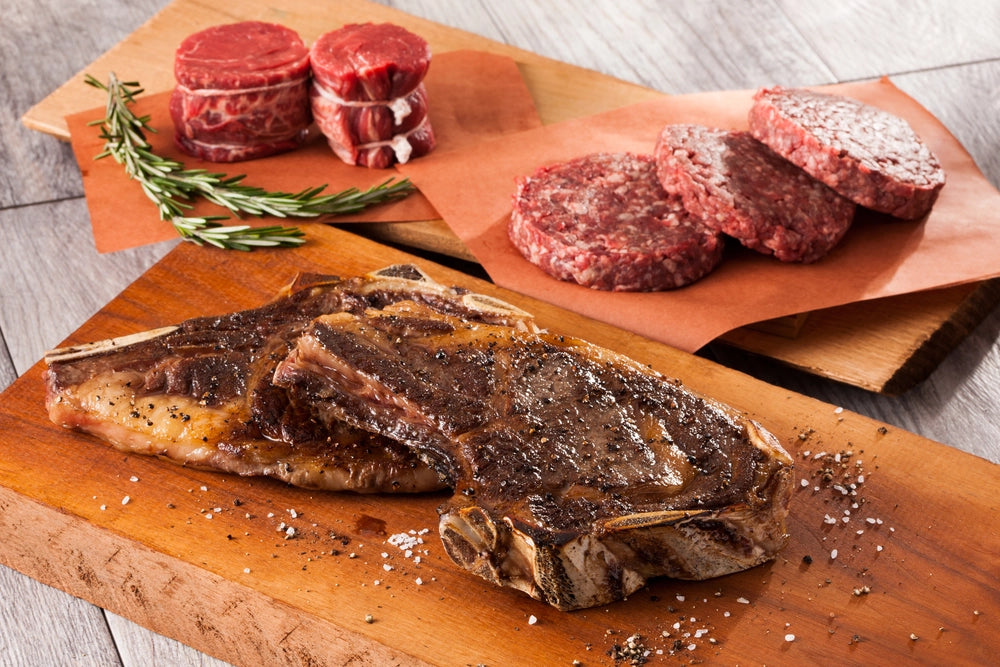
Meat is one of the most cherished staples in cuisines around the world. Whether grilled, roasted, braised, or pan-seared, a well-cooked piece of meat can be incredibly satisfying. However, one of the biggest challenges home cooks and even professional chefs face is dealing with tough meat. No one enjoys chewing on a dry, rubbery steak or struggling through a stringy cut of beef. Fortunately, tough meat can be transformed into a tender, juicy delight with the right techniques.
In this article, we will explore why meat becomes tough and reveal expert secrets to achieving perfectly tender cuts every time.
Why Does Meat Become Tough?
Before diving into solutions, it’s essential to understand why meat becomes tough in the first place. Several factors contribute to toughness, including the cut of the meat, the cooking method, and how it is prepared before hitting the grill or pan.
1. Cut of Meat
Some cuts of meat naturally contain more connective tissue and muscle fibers, making them tougher. Cuts from well-exercised areas of the animal, such as the shank, brisket, or shoulder, tend to be tougher than those from less-used muscles like the tenderloin or ribeye.
2. Cooking Method
Overcooking lean cuts can dry out the meat, making it tough and chewy. On the other hand, undercooking tough cuts can leave connective tissues intact, resulting in a rubbery texture.
3. Lack of Proper Preparation
Failing to tenderize meat before cooking can lead to toughness. Techniques like marinating, pounding, and slow cooking can significantly improve texture and tenderness.
Now that we understand why meat can be tough, let’s explore the best ways to ensure your cuts are always tender and juicy.
Secrets to Tender, Juicy Meat
1. Choose the Right Cut for the Right Cooking Method
Not all meats are created equal, and knowing which cut to use for different cooking methods is key.
- Tender cuts (ribeye, tenderloin, sirloin) are best for quick, high-heat cooking methods like grilling, pan-searing, or roasting.
- Tough cuts (brisket, chuck, short ribs) are best suited for slow cooking methods like braising, stewing, or slow roasting, which help break down tough connective tissues.
2. Use Marinades to Break Down Fibers
Marinating meat can make a significant difference in tenderness. Marinades containing acidic ingredients such as lemon juice, vinegar, buttermilk, or yogurt help break down tough muscle fibers, making the meat softer. Additionally, enzymes in ingredients like pineapple, papaya, and kiwi naturally tenderize meat.
💡 Tip: Marinate tough cuts for at least 4-12 hours for best results. Avoid marinating delicate meats for too long, as they can become mushy.
3. The Magic of Meat Tenderizers
Physical tenderization methods can also help soften meat:
- Pounding: Using a meat mallet to break down muscle fibers can make steaks and cutlets more tender.
- Scoring: Cutting shallow slits into tougher cuts helps marinades penetrate deeper.
- Velveting: A Chinese cooking technique that involves coating meat in a mixture of egg whites, cornstarch, and rice wine before cooking, ensuring a silky texture.
4. Mastering Low and Slow Cooking
For tougher cuts, low and slow cooking is the secret weapon. Methods such as braising, stewing, and slow roasting help break down collagen and connective tissues, resulting in fork-tender meat.
- Braising: Cooking meat slowly in a small amount of liquid at low heat (275-325°F) for several hours helps break down tough fibers.
- Slow Cooking: Using a slow cooker to cook meat at a low temperature for extended periods (6-8 hours) ensures maximum tenderness.
5. Don’t Skip the Resting Time
Resting meat after cooking is crucial for retaining juiciness. When meat is cooked, the juices move toward the surface. Letting it rest for 5-10 minutes before slicing allows the juices to redistribute, keeping the meat moist and tender.
💡 Tip: Cover the meat loosely with foil while resting to keep it warm.
6. Slice Against the Grain
How you slice your meat can make a big difference in tenderness. Cutting against the grain (perpendicular to the muscle fibers) shortens the fibers, making each bite easier to chew.
💡 How to do it: Identify the direction of the muscle fibers and slice across them rather than parallel to them.
7. Using the Right Cooking Temperature
Overcooking is one of the main reasons meat becomes tough. Using a meat thermometer ensures your meat reaches the ideal temperature without drying out.
- Rare: 120-130°F
- Medium-Rare: 130-135°F
- Medium: 135-145°F
- Well-Done: 160°F and above
For slow-cooked meats like brisket or short ribs, aim for 190-205°F to fully break down connective tissues.
8. Moist Cooking Methods Help Retain Juiciness
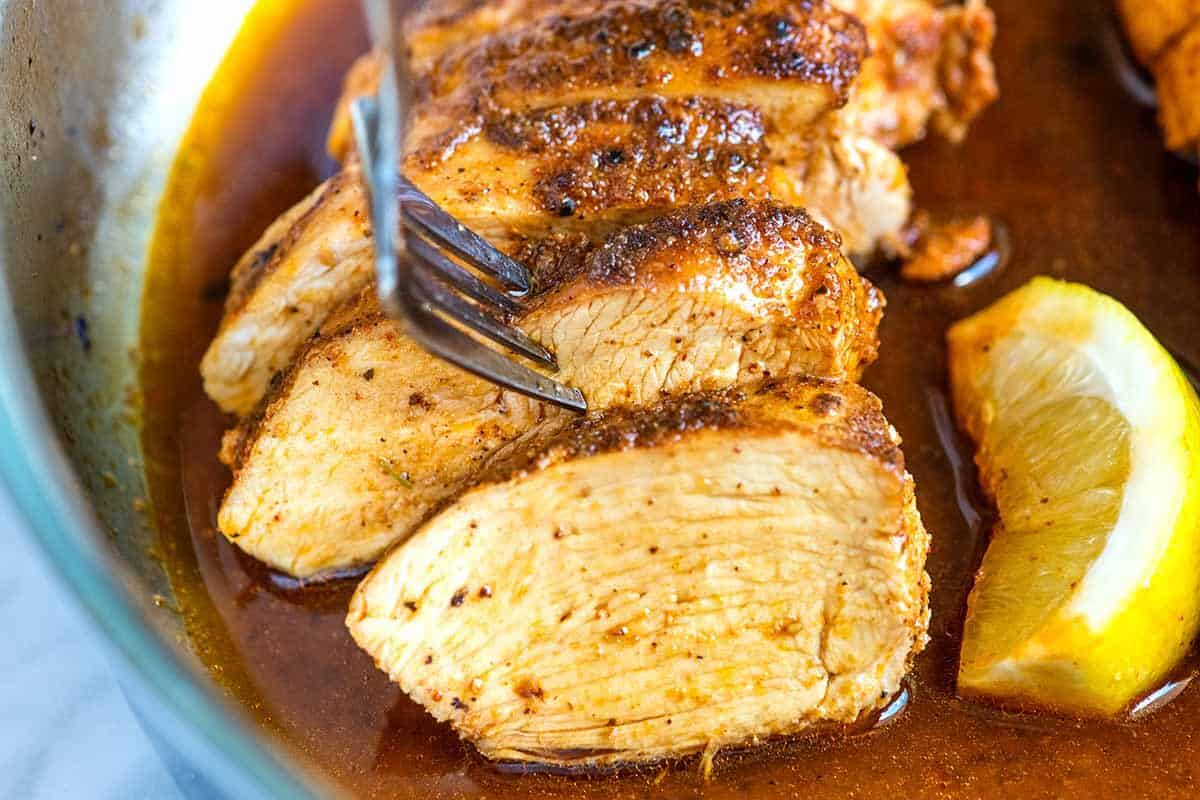
Cooking methods that involve moisture—such as steaming, poaching, and braising—help prevent meat from drying out.
- Examples:
- Poaching chicken in broth keeps it moist and tender.
- Wrapping meat in foil (the “Texas Crutch” technique) helps retain moisture during smoking or grilling.
9. The Role of Fat in Tenderness
Fat plays a crucial role in meat tenderness. Marbling (intramuscular fat) melts during cooking, adding juiciness and flavor.
💡 Tip: Choosing well-marbled cuts, such as ribeye or wagyu beef, ensures a more tender bite.
10. Consider Dry Aging for Maximum Flavor and Tenderness
Dry aging is a process where meat is stored in a controlled environment for several weeks to enhance flavor and tenderness. While this is typically done by professional butchers, some home cooks have found ways to replicate the process with specialized dry-aging refrigerators.
Final Thoughts
Tough meat is a common frustration, but with the right knowledge and techniques, you can turn even the toughest cuts into succulent, melt-in-your-mouth masterpieces. Whether it’s choosing the right cut, marinating properly, slow cooking, or slicing against the grain, these methods will ensure your meat is always tender and juicy.
0 Comments